
Industrial Water System Legionella Testing in Hull: How Long It Takes
Get instant Quote. The test timetable is only one part of Legionella control. For industrial water system Legionella testing at Hull docks, routine microbiological results are typically available within 3-5 working days after the laboratory receives the sample. Sampling, laboratory analysis and interpreting results against the system’s risk assessment are distinct steps, so the overall process depends on the site and system.
It’s understandable to want a clear timescale when industrial operations rely on dependable water systems. This guide explains what happens during Legionella testing, who can carry it out and what affects the time from sampling to results. It also compares monitoring approaches for different systems: cooling towers, storage tanks and hot and cold water systems do not all need the same schedule. This distinction helps you plan testing around the system’s actual risks instead of applying one timetable to every installation.
Key Takeaways
- Separate sampling, laboratory analysis and interpreting results to plan the full testing process realistically.
- Understand who can take samples and why results need to be assessed in the context of the water system and its risk assessment.
- Use the system type and risk assessment to shape monitoring frequency, rather than applying one schedule to every installation.
- Explore how Quick Water Testing and Legionella risk assessment services can support your next step.
Who Can Carry Out Legionella Testing and How Should It Be Done?
In the UK, Legionella testing may be carried out by a water treatment company, a consultant, or a trained and properly supervised system operator. Legionella prefers water temperatures between 20 and 50 °C, according to the Health and Safety Executive. The same organisation states that hot water should be maintained above 50°C at outlets. Temperature checks therefore help operators identify where controls may need attention.
At industrial sites in England, Legionella bacteria can grow in water systems and cause Legionnaires’ disease. The Health and Safety at Work etc. Act 1974 and Control of Substances Hazardous to Health Regulations 2002 form part of the UK legal framework for Legionella control. Employers with five or more employees must maintain records of their risk assessment and controls. These records document how the site identifies, assesses and manages legionella risk.
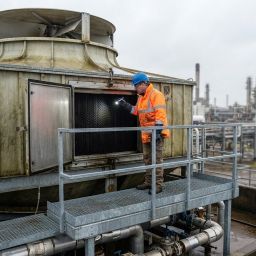
For industrial water system legionella testing around Hull docks, the relevant risks depend on each installation, not simply its location. Cooling towers and large storage tanks at industrial and manufacturing sites need ongoing water management and specialist input. Include infrequently used outlets, warm sections of pipework and inconsistent temperature control in monitoring. Review the risk assessment regularly and whenever there is reason to think it may no longer be valid.
Routine microbiological monitoring isn’t usually required for every hot and cold water system. Sampling may be appropriate when there’s doubt about the effectiveness of controls, or when recommended temperatures and disinfection concentrations aren’t consistently achieved. A competent sampler should collect representative samples and provide the laboratory with system details. If the system uses biocide, neutralise it where possible. Interpret laboratory results alongside the water system’s risk assessment, which should inform appropriate follow-up actions.
WANT TO KNOW MORE ABOUT LEGIONELLA TESTING?
Reliable microbiological results depend on representative samples, suitable laboratory methods and a sampling plan based on the facility’s risk assessment.
Water Sampling and Laboratory Testing
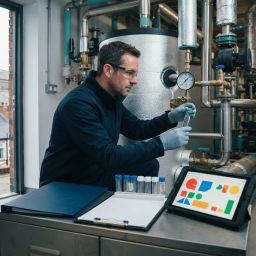
Sampling should target points that help assess the system, such as cooling-tower circuits or outlets on hot and cold supplies. Culture-based analysis identifies Legionella in the submitted water sample. UK samples should be tested by a UKAS-accredited laboratory participating in a water microbiology proficiency testing scheme, using ISO 11731 methods. The theoretical detection limit should be no more than 100 legionella bacteria per litre. For cooling towers, interpret results alongside the site’s control scheme and risk assessment; the laboratory result informs the response rather than acting alone.
Risk-Based Sampling
A risk assessment should determine whether routine microbiological sampling is needed, and which locations provide useful evidence. Sampling may be appropriate when there’s doubt about treatment effectiveness or control measures aren’t consistently achieved. This approach tailors the plan to the water system’s design, use and legionella risk, rather than testing every outlet without a clear purpose. Routine microbiological results are typically available within 3-5 working days after the laboratory receives the sample.
Sampling Competence and Safety
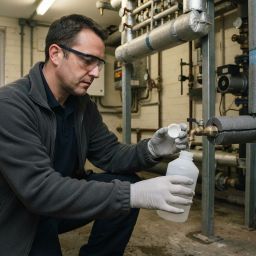
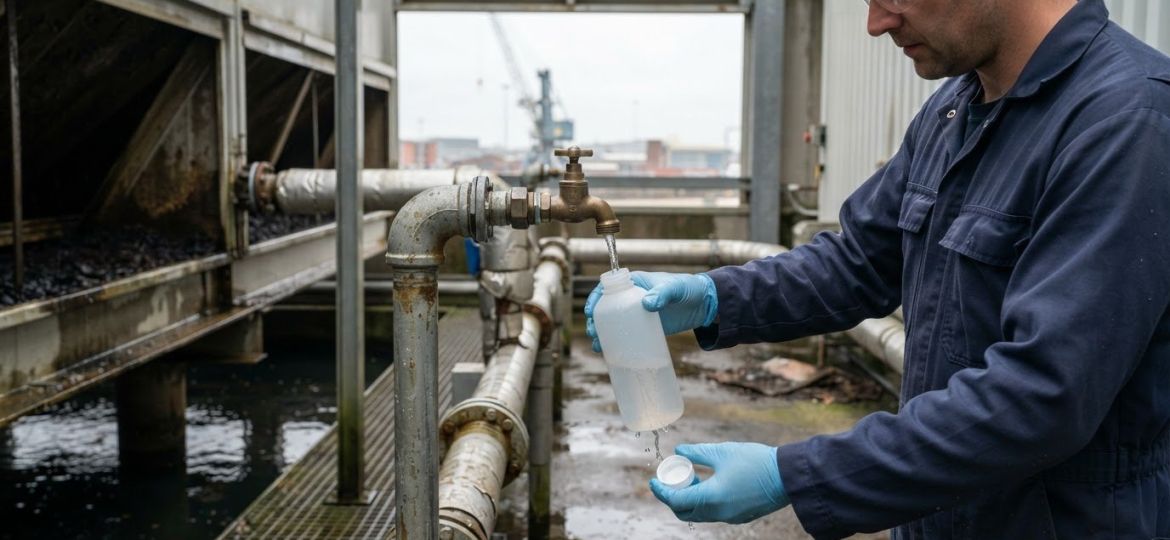
Sampling personnel need suitable training, supervision and a clear understanding of the facility’s water system. Before collection, identify the correct sampling point and record its location and relevant treatment conditions. Consistent methods help reduce contamination and make results easier to compare over time. For samples from biocide-treated water, neutralise the biocide where possible so it doesn’t affect laboratory analysis.
Sampling Kits and Collection
Use the laboratory’s specified collection kit and follow its instructions for the chosen test. Label each container with the sampling point and collection details, then complete the accompanying sample record. Keep samples secure and arrange delivery according to laboratory instructions. This traceable process links each result to the right part of the system and supports sound follow-up decisions.
Testing frequencies by water system type
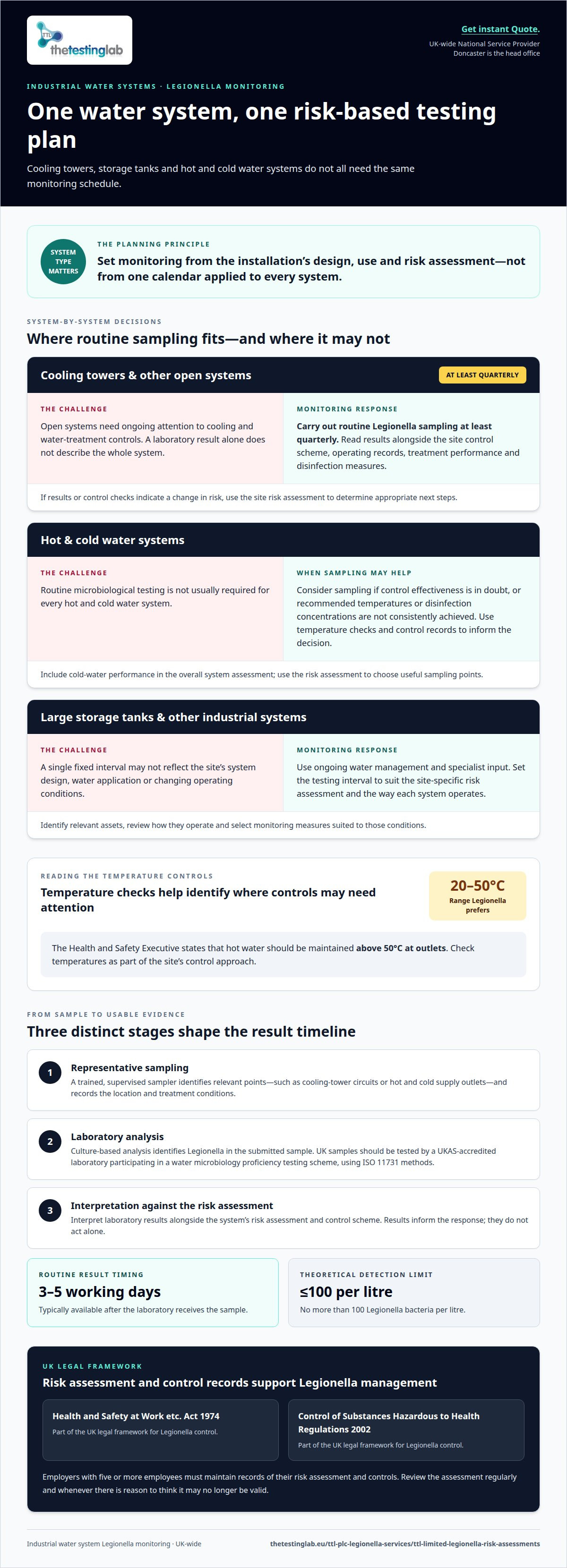
Across the UK, testing frequency depends on the system, its risk assessment and its intended use. One calendar schedule won’t suit every industrial supply: cooling towers, storage tanks and hot and cold water systems require different monitoring decisions. Those responsible for health and safety should keep control measures appropriate to the installation and review them when its use or condition changes.
Cooling towers and other open systems: routine Legionella sampling should be carried out at least quarterly. This interval supports monitoring of systems that need ongoing attention to cooling and water treatment controls. Read sampling results alongside operating records, treatment performance and disinfection measures. If results or control checks indicate a change in Legionella risk, use the risk assessment to determine next steps.
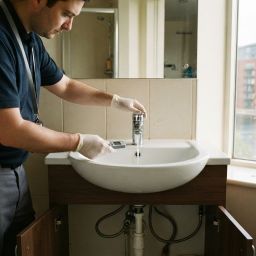
Hot and cold water systems: routine microbiological testing isn’t usually required. Sampling may be appropriate when there’s doubt that controls are effective, including when recommended temperatures or disinfection concentrations aren’t consistently achieved. Temperature checks and control records help determine whether sampling is justified. Consider cold water performance as part of the overall system assessment.
Large storage tanks and other industrial systems: ongoing compliance and specialist input are important, but the testing interval should reflect the site-specific risk assessment, system design and water application. That means identifying relevant assets, reviewing how they operate, then setting monitoring measures suited to those conditions. The practical takeaway is to use quarterly sampling for open systems, while tailoring other schedules to documented risk and control performance. For a tailored water testing plan, request a water testing quote.
The Testing Lab PLC: Quick Water Testing
The Testing Lab PLC provides Quick Water Testing and Fast Legionella Testing for regional sites, with its head office in Doncaster. Turn to its Quick Legionella Risk Assessments when you need a risk-based view of an industrial water system, or Fast Legionella Risk Assessment for focused assessment support. These services can help you connect sampling needs with the system’s risks and control arrangements.
For Hull docks facilities, the next step is to set out the system type, the concern prompting testing and any relevant risk assessment information. This gives the work a clear starting point, whether you need water testing or assessment support. To discuss Legionella risk assessment support, contact The Testing Lab PLC.
Plan Your Next Water-System Action
For industrial water system Legionella testing at Hull docks, connect the sampling plan with how each system operates. Bring together asset information, temperature and treatment records, and details of changes to use or maintenance. This gives your team a practical basis for prioritising attention and maintaining clear records across facilities in Hull, Doncaster, Leeds, Sheffield, Manchester, Liverpool, Newcastle upon Tyne and other UK locations.
If you’re deciding whether to arrange sampling or review a site’s Legionella risk, share the relevant system context with The Testing Lab PLC. Request a quote for Legionella support, and take the next step with a clear view of your water-system needs.
Frequently Asked Questions
How long does testing take?
Routine microbiological results typically take 3-5 working days after the laboratory receives the sample. This is the laboratory turnaround, not the entire sampling process. For planning, allow for arranging site access, collecting representative samples and reviewing the findings against the system’s records. A Pseudomonas result may be available within 48 hours, but that timing does not apply to Legionella testing.
How often should water systems be tested?
Open systems such as cooling towers should undergo routine Legionella sampling at least quarterly. For other systems, the risk assessment and effectiveness of control measures guide whether and when sampling is appropriate. A change in system operation or concern about treatment performance, for example, may prompt a review of the monitoring plan rather than reliance on a fixed interval.
WHAT CAN I DO TO PREVENT IT?
Maintain effective temperature controls and keep records of checks and treatment measures. The Health and Safety Executive recommends keeping hot water above 50°C at outlets; cold water systems should be kept below 20°C. For ship systems, infrequently used taps, toilets and showers should be flushed at least once a week. Include these tasks in a documented routine that reflects the system and its use.
What happens if Legionella or Pseudomonas is detected?
A positive result should be interpreted in the context of the system, then acted on according to its risk assessment. Review the sampling location, control records and treatment performance, and determine whether corrective measures or further monitoring are needed. For Pseudomonas, consider the relevant outlet-monitoring arrangements, including HTM 04-01 in settings where it applies. Record the findings and the response.
When is Legionella Testing Legally Required in the UK?
UK law requires duty-holders to assess and control Legionella risks, but routine testing isn’t required for every water system. Relevant duties derive in part from the Health and Safety at Work etc. Act 1974, COSHH 2002 and the Management of Health and Safety at Work Regulations 1999. Apply HSE guidance (ACOP L8 & HSG274) when managing Legionella risks across UK sites.

Article by
P J F Thomas
CEO and Founder of TTL plc.
Disclaimer
Items declared are AI generated but do reflect our services. Please get in contact if you have any questions.