
UKAS Water Analysis for Carlisle Veterinary Facilities
Get instant Quote. UKAS water analysis in Carlisle for veterinary and animal facilities should be carried out by a laboratory accredited for the relevant tests. The United Kingdom Accreditation Service (UKAS) is the UK’s only national accreditation body, as recognised by the UK government, and it accredits laboratories to ISO/IEC 17025. Accreditation covers a defined scope, so the key question is whether that scope includes the analysis your facility needs.
A laboratory’s accreditation shows how its competence, impartiality and testing procedures are assessed. This guide explains how to identify an accredited laboratory, what the assessment covers and which microbiological and chemical drinking-water tests may be relevant. It also outlines sampling, handling and transport, helping you assess water quality at a veterinary or animal facility.
Key Takeaways
- UKAS accredits laboratories to ISO/IEC 17025, according to the United Kingdom Accreditation Service. Accreditation applies to a defined scope, so match the required test to that scope.
- Laboratory assessment looks beyond results to staff competence, equipment control and the procedures used to collect, handle and transport samples.
- Microbiological testing can include checks for coliforms, E. coli and general bacterial activity; chemical analysis addresses a different set of water-quality parameters.
- Learn how to relate test selection and sampling plans to your facility’s water system, monitoring purpose and operational risks.
Why use a UKAS-accredited laboratory for your water testing?
UKAS accreditation helps identify laboratories assessed against defined competence standards. For veterinary and animal facilities in Carlisle, check the laboratory’s scope, sampling process and relevant water parameters.
Accredited Analysis and Test Scope
The United Kingdom Accreditation Service accredits laboratories to ISO/IEC 17025. Accreditation applies to specific methods and parameters, so confirm the scope covers the analysis required. This affects whether a result is produced under the laboratory’s accredited procedures.
For domestic systems supplied with water fit to drink, ACoP L8 advises that regular microbiological sampling isn’t required. It recommends Legionella sampling if an outbreak is suspected, control measures aren’t consistently achieved, or users are particularly vulnerable.
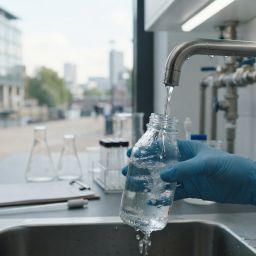
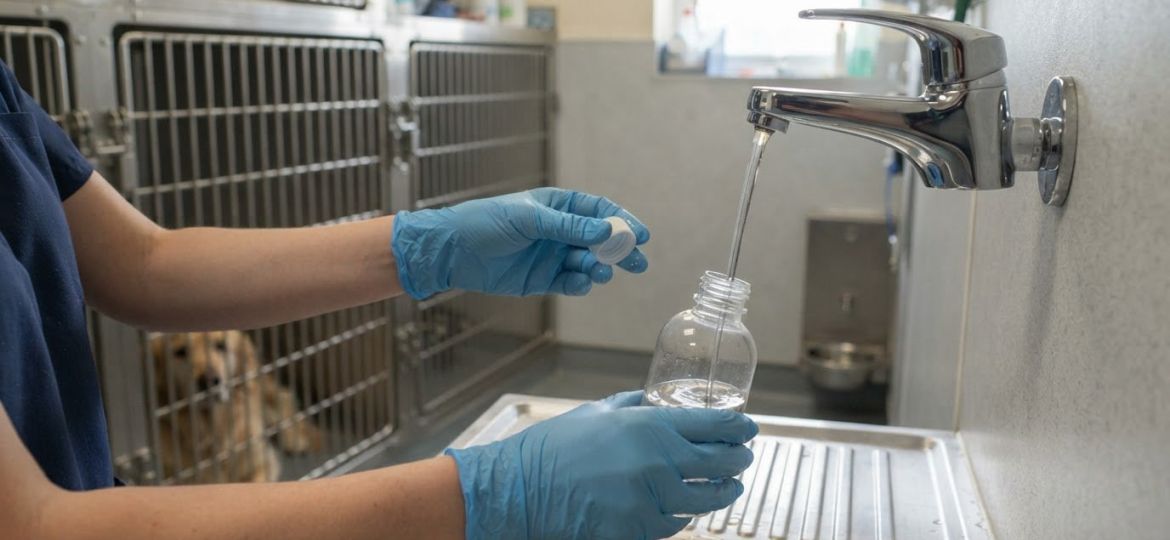
Follow the laboratory’s instructions for sample collection, containers and handling, then arrange transport as specified. UKAS assessment examines sample collection, handling and transportation. Turnaround in Cumbria depends on the tests selected. Microbiological samples require incubation, so the type of analysis affects processing time.
Accreditation and Certification
Accreditation assesses whether an organisation can competently carry out defined activities, including specified laboratory tests. Certification confirms that a system, product or organisation meets a stated standard. The terms aren’t interchangeable: a certificate alone doesn’t establish that a laboratory’s water-analysis method is accredited.
For international acceptance, the receiving authority’s requirements and the test scope matter. Costs also depend on the parameters, number of samples and collection arrangements. Match the requested analysis to the laboratory’s accredited scope rather than relying on a general accreditation claim.
Finding Accredited Organisations
Search the UKAS accredited-organisation directory by organisation name, location or activity. UKAS advises using the default search if you’re unsure; Boolean search is intended for advanced searches. In Boolean search, unprefixed words are optional because they’re combined with OR, and a space is required between each word and its prefix.
Review the organisation category and the specific scope entry. Testing laboratories are relevant for water analysis; other accredited categories include inspection and certification organisations. Accreditation is activity-specific, so a listing alone doesn’t establish that water testing is covered. Analytical disciplines such as X-ray diffraction analysis have separate scopes.
Laboratory equipment, staff competence and testing procedures
For UKAS water analysis at veterinary and animal facilities in Carlisle, both laboratory competence and test selection matter. Assessment considers staff training and qualifications, equipment suitability, calibration and maintenance, as well as controlled procedures.
Microbiology and Water Chemistry
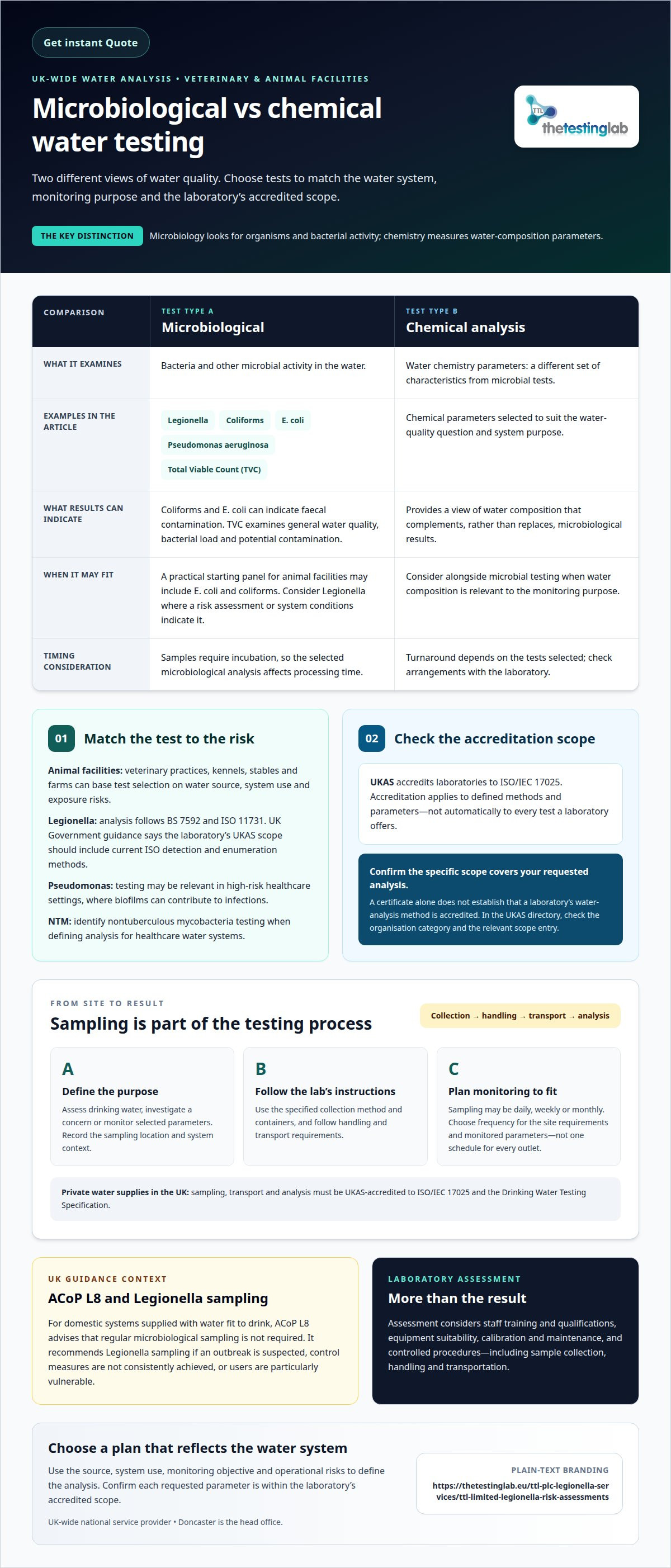
Microbiological testing can include Legionella, coliforms, E. coli and Pseudomonas aeruginosa. Coliforms and E. coli can indicate faecal contamination. Pseudomonas testing may be relevant in high-risk healthcare settings, where biofilms can contribute to infections.
Legionella analysis follows BS 7592 and ISO 11731. UK Government guidance says the laboratory’s UKAS scope should include current ISO detection and enumeration methods. Drinking-water analysis may also include chemistry parameters, which examine different characteristics from microbial tests. Process-water tests should reflect the system’s purpose and the question being investigated.
Testing for Animal Facilities
Veterinary practices, kennels, stables and farms can select tests based on their water source, system use and exposure risks. A practical starting panel may include E. coli and coliforms. Legionella testing may be appropriate when a risk assessment or system conditions indicate it. Chemical analysis can complement microbiological testing when water composition is relevant.
UKAS-accredited laboratories can test drinking water for livestock and animal-care premises when their accredited scope covers the selected parameters. Nontuberculous mycobacteria (NTM) testing may be relevant to healthcare water systems; identify this target when defining the required analysis. For UKAS water analysis in Carlisle veterinary and animal facilities, match the test to the site’s water system and purpose. Request a water testing quote.
Drinking-water microbiological and chemical analysis
For veterinary and animal facilities in Carlisle, UKAS water analysis starts with a clear purpose: assessing drinking water, investigating a concern or monitoring selected parameters. Across the UK, the sampling plan should reflect the water source, system use and monitoring objective.
For private water supplies regulated in the UK, sampling, transport and analysis must be UKAS-accredited to ISO/IEC 17025 and the Drinking Water Testing Specification. This means the sample’s handling and laboratory analysis both form part of the accredited process. Record the sampling location and system context so results can be interpreted against the right facility.
Microbiological tests assess bacteria and other activity. Total Viable Count (TVC) testing examines general water quality, bacterial load and potential contamination. Coliform and E. coli tests can help identify faecal contamination. Chemical analysis measures water chemistry parameters, offering a different view of quality from microbiological results.
Sampling frequency depends on site requirements and monitored parameters. Samples may be taken daily, weekly or monthly. Where potable water is stored, microbiological monitoring can form part of a water-quality regime. Choose a schedule suited to the system and monitoring purpose, rather than applying one frequency to every outlet.
Microbiological samples need incubation before analysis. UKAS water analysis for veterinary and animal facilities in Carlisle should therefore account for sample collection, transport and the selected test. These steps help relate the laboratory result to the water system being assessed.
To discuss drinking-water analysis, request water testing.
The Testing Lab PLC: Quick Water Testing
The Testing Lab PLC offers Quick Water Testing for veterinary and animal facilities seeking a clearer picture of water quality. Its UK-wide service is based at its head office in Doncaster, supporting facilities in Carlisle and across the United Kingdom.
Quick Water Testing can help when routine monitoring is due or a change in water quality prompts an investigation. If Legionella is the concern, The Testing Lab PLC is LCA-registered for Legionella risk assessments and offers Fast Legionella Testing and Quick Legionella Risk Assessments. The right next step depends on the water system, its use and the question the test needs to answer.
Details about the water source, outlets and intended analysis help define a relevant testing request. For Legionella risk-assessment support, contact The Testing Lab PLC.
Plan your facility’s next water-testing step
For veterinary and animal facilities in Carlisle, UKAS water analysis should support a clear operational decision. Identify the water source, how the system is used and the concern to investigate. This context helps define a suitable testing request, whether you’re monitoring drinking water or addressing a Legionella risk.
The Testing Lab PLC offers Quick Water Testing, Quick Legionella Risk Assessments and Fast Legionella Testing. It is LCA-registered for Legionella risk assessments. These services help facilities move from a water-quality question to a defined testing or risk-assessment step. Choose the option that matches the issue, and include relevant details about the system and sampling points in your enquiry.
Take the next step with a focused request. Contact The Testing Lab PLC about water testing and move forward with greater clarity for your facility.
Frequently Asked Questions
Who’s accredited?
UKAS accredits organisations for defined activities, including laboratory testing. The United Kingdom Accreditation Service is the UK’s only national accreditation body, as recognised by the UK government. Accreditation is scope-specific: an organisation may be accredited while a particular test or parameter falls outside its scope. For water analysis, look for the relevant method and parameters in the laboratory’s scope.
Which UKAS-accredited laboratories offer water analysis in Carlisle and Cumbria?
The Testing Lab PLC is a UKAS-accredited laboratory, number 7758. For a Carlisle or Cumbria water-analysis requirement, match the requested test to its listed accreditation scope in the UKAS directory. Check the specific method and parameters, not just the organisation’s name or general accreditation status. This helps establish whether the required analysis is covered as accredited work.
What microbiological water tests are available, including E. coli, coliforms and Legionella?
Microbiological analysis can include E. coli, coliforms, Legionella and Total Viable Count testing. Each answers a different question: E. coli and coliforms can indicate faecal contamination, while Total Viable Count assesses general bacterial activity. For example, a concern about Legionella requires a Legionella-specific method, not just a general bacterial count.
What chemical water tests are available for veterinary and animal facilities?
Chemical analysis examines water chemistry parameters and complements, rather than replaces, microbiological results. The appropriate panel depends on the facility’s water source, system and monitoring purpose. For example, a private supply and a stored drinking-water system may call for different parameters. Describe the operational concern and intended use so the analysis can be matched to the question.
What are UK drinking-water standards and legal requirements for animal facilities?
For private water supplies regulated in the UK, drinking-water sampling, transport and analysis must be UKAS-accredited to ISO/IEC 17025 and the Drinking Water Testing Specification. ACoP L8 advises that regular microbiological sampling isn’t required for domestic systems supplied with water fit to drink. It recommends Legionella sampling in specified risk situations, including suspected outbreaks or inconsistently achieved control measures.
Article by
P J F Thomas
CEO and Founder of TTL plc.
Disclaimer
Items declared are AI generated but do reflect our services. Please get in contact if you have any questions.