
Commercial Kitchen Fire Risk Assessment in Leeds for Hospitality
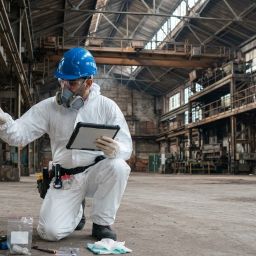
Could staff and guests reach safety while a commercial kitchen is operating at full pace? A commercial kitchen fire risk assessment in Leeds for hospitality businesses identifies fire hazards and people at risk, then evaluates how risks can be removed or reduced. According to the UK legislation register, the Regulatory Reform (Fire Safety) Order 2005 requires the Responsible Person to ensure a suitable and sufficient assessment is carried out, recorded and kept up to date in applicable non-domestic premises in England and Wales.
The assessment goes beyond cooking equipment. Extraction hazards, escape routes, exits and warning systems all affect how a fire could develop and how people respond. This guide explains what a competent professional examines and how the findings inform practical controls and an effective evacuation plan.
The national service provider’s head office is in Doncaster, with a UK-wide service.
Key Takeaways
- A suitable fire risk assessment identifies hazards and people at risk, then sets out how risks can be reduced and managed.
- Kitchen equipment and grease build-up in extraction systems are important hazards; cleaning intervals depend on how intensively the system is used.
- Escape routes, exits and warning systems should be assessed together, alongside staff responsibilities and evacuation arrangements.
- Understand how the Regulatory Reform (Fire Safety) Order 2005 applies to hospitality premises and what the Responsible Person must keep up to date.
What does a commercial fire risk assessment involve?
For hospitality premises in Leeds and across the UK, assessment means identifying hazards, people at risk and suitable controls. According to the UK legislation register, the Regulatory Reform (Fire Safety) Order 2005 requires the Responsible Person to ensure a suitable and sufficient assessment is carried out, recorded and kept up to date in applicable non-domestic premises in England and Wales.
Fire hazards and people at risk
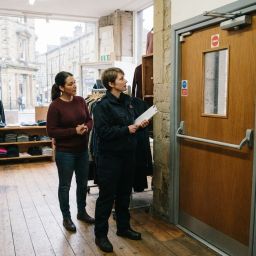
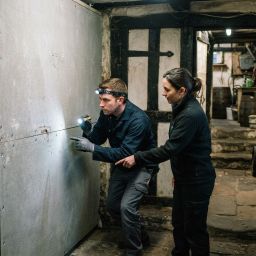
The assessment considers sources of ignition, fuel and oxygen across kitchens, bars and customer areas. Examples include cooking equipment, combustible materials and blocked escape routes. It also identifies employees, visitors, customers and contractors who could be affected, including anyone who may need additional help to evacuate. Staff feedback can reveal hazards that arise during busy service, such as equipment faults or changes in work practices.
Detection and warning arrangements are considered alongside the hazards identified. This links the risk evaluation to practical controls, such as reducing ignition sources or storing dangerous substances safely.
Records and actions after assessment
How often should a commercial kitchen fire risk assessment be reviewed in England? The Responsible Person must review it regularly and keep it up to date, especially when changes to the premises or work activities affect fire risks.
After assessment, records should capture the findings, identified hazards, people at risk and measures to control risks. The assessment should also inform an emergency plan, staff responsibilities and fire safety training. In England, businesses with five or more employees must record their fire risk assessment findings, according to the UK legislation register. These records help the Responsible Person track recommended improvements and communicate relevant safety information to staff.
Commercial kitchen and extraction fire risks
A commercial kitchen fire risk assessment in Leeds for hospitality businesses examines how cooking activities, equipment and extraction systems interact. Heat, electrical faults and grease can combine to create risks that change with the kitchen’s workload.
Grease build-up in extraction systems
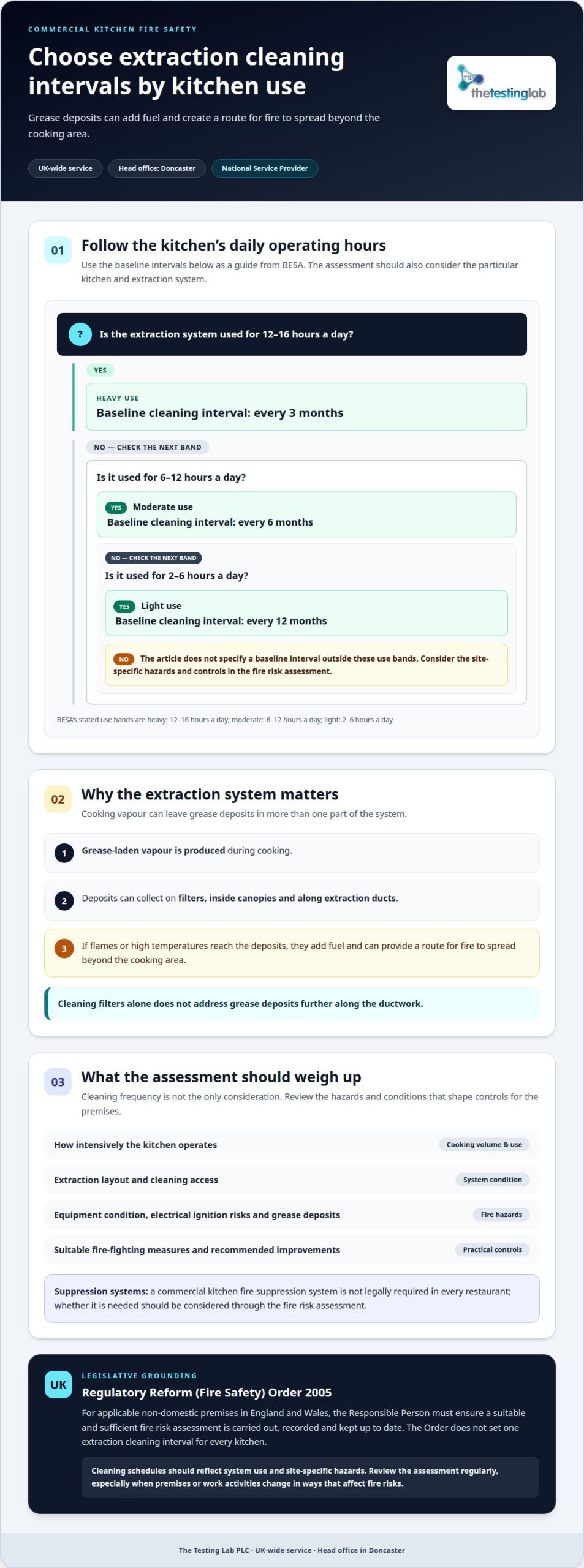
Cooking releases grease-laden vapour, which can collect on filters, inside canopies and along extraction ducts. These deposits add fuel if flames or high temperatures reach the system, creating a route for fire to spread beyond the cooking area. The assessment considers the extraction layout, cleaning access and how intensively the kitchen operates. Cleaning filters alone does not address deposits further along the ductwork.
According to BESA, baseline cleaning intervals are every 3 months for heavy use, 6 months for moderate use and 12 months for light use. BESA defines heavy use as 12-16 hours a day, moderate use as 6-12 hours a day and light use as 2-6 hours a day.
Fire safety rules for cooking and extraction
What fire safety rules apply to commercial cooking equipment, extraction systems and grease filters? In applicable non-domestic premises in England and Wales, the Regulatory Reform (Fire Safety) Order 2005 requires a suitable and sufficient fire risk assessment. It doesn’t set one cleaning interval for every kitchen, so the assessment considers site-specific hazards and controls.
For a commercial kitchen fire risk assessment in Leeds hospitality venues, the review considers equipment condition, electrical ignition risks, grease deposits and suitable fire-fighting measures. A commercial kitchen fire suppression system is not legally required in every restaurant; its need should be considered through the fire risk assessment. Cleaning schedules should reflect cooking volume and system use, while the findings inform practical controls and recommended improvements.
Fire routes, exits and warning systems
A commercial kitchen fire risk assessment in Leeds for hospitality venues examines whether people can recognise an alarm and leave safely. Under the Regulatory Reform (Fire Safety) Order 2005, the Responsible Person must ensure a suitable and sufficient assessment is carried out, recorded and kept up to date in applicable premises in England and Wales, according to the UK legislation register.
Dining-room layouts can change during service. Tables, chairs, queues and delivery items may narrow escape routes or obstruct an exit, so the assessment considers how the space operates when occupied. A venue’s safe maximum occupancy is limited by whichever is lower: available floor space or the capacity of escape routes and exit widths. This links seating plans with practical evacuation arrangements.
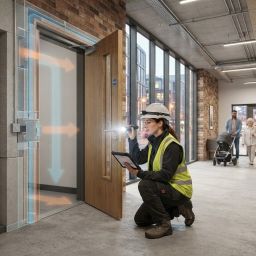
Protected routes, fire doors and final exits must support the evacuation strategy. A commercial kitchen fire risk assessment for Leeds hospitality businesses considers the building’s escape arrangements and the needs of occupants who may require assistance. It also evaluates whether staff responsibilities and procedures are clear, so employees can guide guests without causing confusion. A competent assessment uses these findings to shape the emergency plan.
Warning arrangements should alert people across areas such as kitchens, bars and dining rooms. Assessment considers detection coverage, alarm audibility and whether staff understand how to respond. Training can cover raising the alarm and evacuation routes. For separate water-safety support, request a quote.
The Testing Lab PLC: Quick Legionella Risk Assessments
The Testing Lab PLC supports hospitality businesses with a separate water-safety service through Quick Legionella Risk Assessments. The company is LCA-registered for Legionella risk assessments. A fire risk assessment addresses fire hazards and evacuation; a Legionella risk assessment focuses on risks associated with water systems. Keeping these workstreams distinct helps premises manage different safety responsibilities clearly.
Consider a legionella assessment when reviewing water-system risks as part of wider premises management. The assessment can help identify relevant risks and inform appropriate water-management controls. For information about legionella risk assessments, explore how this service relates to your premises’ needs.
Contact The Testing Lab PLC to discuss a Quick Legionella Risk Assessment.
Plan your next safety steps
A commercial kitchen fire risk assessment for Leeds hospitality venues should support clear operational decisions as the business evolves. Keep fire-safety actions focused on fire controls, and address water-system concerns through a separate, relevant process.
The Testing Lab PLC offers Quick Water Testing, Quick Legionella Risk Assessments and Fast Legionella Testing for hospitality businesses with water-safety needs. These services address concerns separate from kitchen fire hazards, helping keep responsibilities and next steps clear.
To discuss water-safety support for your premises, contact The Testing Lab PLC. A considered next step can help you manage each safety priority with greater clarity.
Frequently Asked Questions
What are the most common fire hazards in licensed premises?
Common hazards include cooking flames, hot surfaces, faulty electrical appliances, combustible materials and grease deposits. In a pub, for example, a fryer beside packaging combines an ignition source with fuel. Risk can also increase if equipment is misused or poorly maintained. The assessment considers how these hazards interact with the building’s layout, operating activities and the people present.
What happens if the Fire and Rescue Authority finds my assessment is inadequate?
The Fire and Rescue Authority may take enforcement action if it finds fire-safety duties are not being met. An inadequate assessment can leave hazards unevaluated or necessary controls unaddressed. Failure to comply with the fire risk assessment requirement is a criminal offence. The Responsible Person remains accountable for ensuring the assessment is suitable, sufficient and kept current, even when a competent person helps prepare it.
What are the main fire risks in commercial kitchens in Leeds hospitality venues?
Typical risks include flames or heat from cooking equipment, combustible oils and grease, and electrical appliances or leads. Extraction ducts can also accumulate grease, creating a route for fire to spread from a cooking area. In Leeds hospitality venues, equipment operation, the condition of electrical appliances and cooking-residue build-up all inform the overall risk picture.
What must a commercial kitchen fire risk assessment include under UK fire safety law?
In applicable non-domestic premises in England and Wales, the Regulatory Reform (Fire Safety) Order 2005 requires the Responsible Person to ensure a suitable and sufficient assessment is carried out, recorded and kept up to date, according to the UK legislation register. It should identify hazards and people at risk, evaluate and reduce risks, consider fire precautions, and inform an emergency plan and staff training.
What fire extinguishers and suppression systems are required for commercial kitchens in the UK?
There is no blanket legal requirement for a restaurant to install a commercial kitchen fire suppression system. Its need should be considered through the fire risk assessment. Wet chemical extinguishers are suitable for chip and fat pan fires. The assessment also considers appropriate fire-fighting equipment for the premises, taking account of cooking hazards and the controls needed to manage them safely.

Article by
P J F Thomas
CEO and Founder of TTL plc.
Disclaimer
This guide gives general information only and is not legal advice. For advice on your site or samples, contact The Testing Lab PLC.