
Cold water storage tank checks: inspection frequency and visual signs
Get instant Quote. A visual check alone isn’t the whole inspection programme: cold water storage tanks should be assessed annually, while six-monthly checks are widely adopted as good practice in UK commercial buildings. For cold water storage tank inspection on Durham University estates, the schedule should sit within the site’s legionella-control arrangements and account for the condition of the system.
It’s understandable to want a clear interval, particularly across a large estate where tanks may serve different buildings and uses. This article explains how often inspections are carried out, what visual checks can reveal and whether the Building Safety Act 2022 changes the requirements.
You’ll also see how tank condition, water temperature and inspection records fit together, helping you use findings to support a practical, consistent approach to water management.
Key Takeaways
- Understand why annual checks are recommended and why six-monthly inspections are widely adopted as good practice in UK commercial buildings.
- Learn which visible tank features can signal contamination risks or a need for maintenance, including the lid and air vent.
- See how inspection findings, water temperature and records contribute to a consistent legionella-control approach.
- Find out what the Building Safety Act 2022 covers and how to assess whether its higher-risk building provisions are relevant to an estate.
How often should cold water storage tanks be inspected?
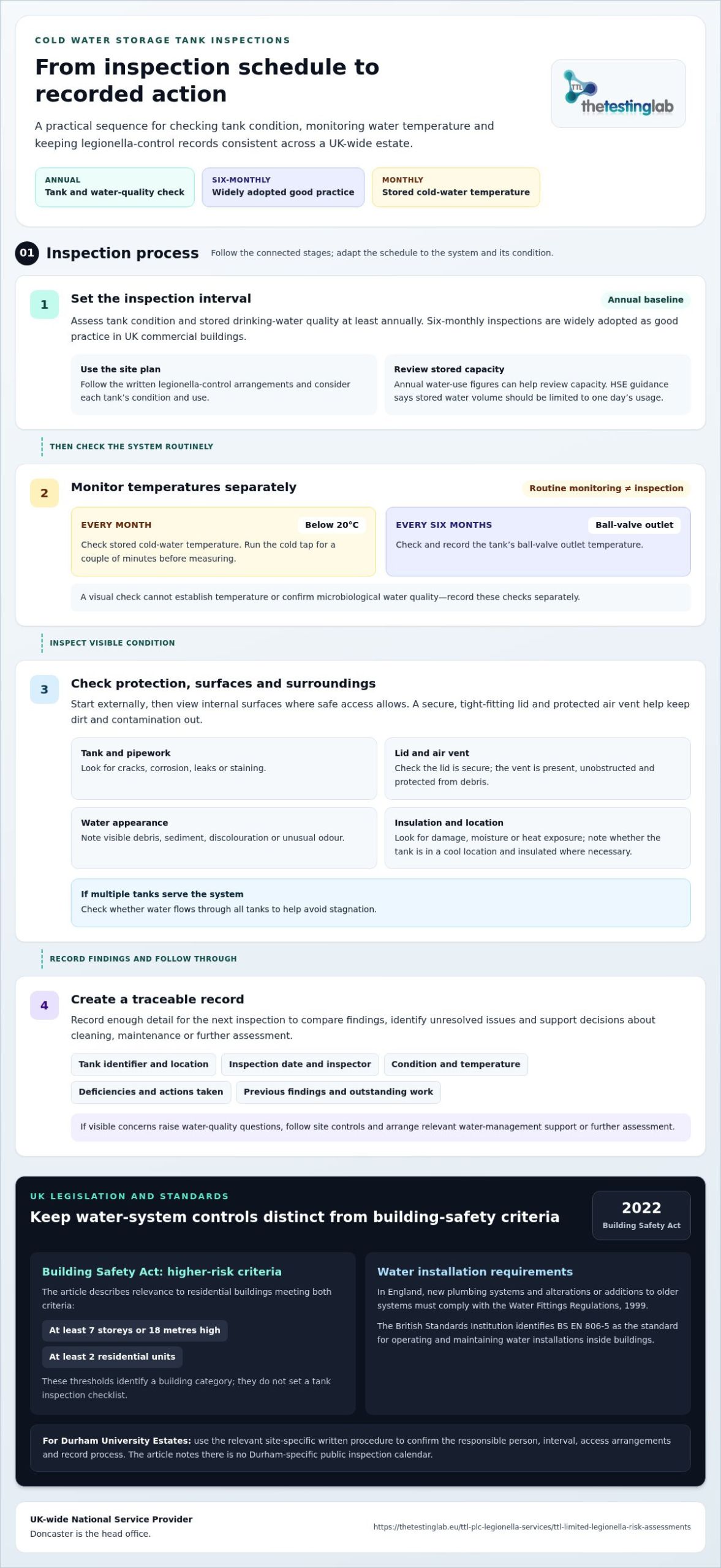
Annual tank and water-quality checks provide a baseline, while six-monthly inspections are widely adopted as good practice in UK commercial buildings. The schedule should also reflect the site’s written legionella-control arrangements and the tank’s condition.
Annual tank and water-quality checks
An annual check assesses the tank’s condition and stored drinking water quality, identifying whether cleaning or maintenance may be needed. This gives estate teams a recorded basis for managing legionella risks and planning corrective work. For larger estates, annual water-use figures can help review whether stored capacity remains appropriate. The Health and Safety Executive says stored water volume should be limited to one day’s usage, so annual totals should not be treated as the tank’s required capacity.
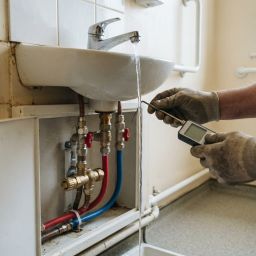
Routine monitoring complements, but does not replace, a tank inspection. Check stored cold water temperature monthly, running the cold tap for a couple of minutes before measuring it. The tank’s ball-valve outlet temperature should be checked every six months. According to UK legislation, new plumbing systems and alterations or additions to older systems in England must comply with the Water Fittings Regulations, 1999. The British Standards Institution identifies BSEN 806-5 as the standard for operating and maintaining water installations inside buildings.
Published inspection guidance
For Durham University Estates, national standards and site-specific written control arrangements provide the relevant framework; there is no Durham-specific public inspection calendar. Staff should follow the estate’s current water-management instructions, coordinating inspections and recording findings alongside the building and tank details.
A competent person familiar with the water system and legionella controls should carry out the inspection. Durham University staff or contractors should arrange it through the estate’s designated responsible person, sharing the tank location, previous inspection record and any observed concerns. This helps tailor the inspection to the system and maintain continuity across estate records.
Cold water storage tank visual inspections
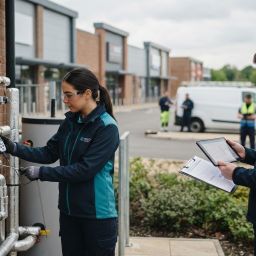
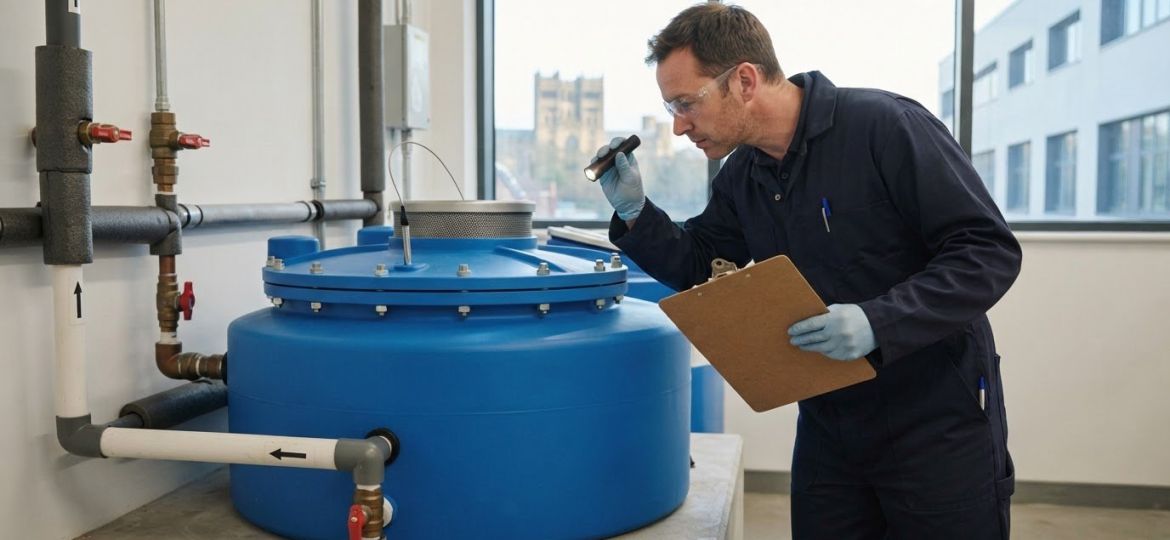
A visual inspection checks whether the tank and its surrounding components appear clean, intact and properly protected. Across UK water storage tanks, findings ground decisions about maintenance, cleaning and follow-up testing. When deeper structural or integrity evaluations are necessary, specialist providers such as International Testing Services Ltd offer comprehensive inspection solutions alongside routine water-checking procedures.
Begin with the external condition, then inspect visible internal surfaces where safe access allows. A tight-fitting lid and protected air vent help prevent dirt and contamination entering the stored water. Check that the lid is secure and the vent is present, unobstructed and protected from debris.
- Look for cracks, corrosion, leaks or staining on the tank and nearby pipework.
- Check for visible debris, sediment, discolouration or unusual odour in the water.
- Review the insulation and surrounding area for damage, moisture or signs of heat exposure.
- Note whether the tank is in a cool location, with insulation where necessary.
The Health and Safety Executive says stored cold water should remain below 20°C. A visual check cannot establish temperature or confirm microbiological water quality, so record those separately. If more than one tank serves the system, check whether water flows through all tanks to avoid stagnation.
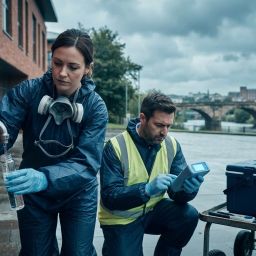
Record the inspection date, inspector, tank condition, temperature, deficiencies and corrective actions. This creates a traceable basis for deciding what action is needed. If visible concerns point to a water-quality issue, arrange relevant water management support and follow the site’s regulatory controls. An inspector can advise whether cleaning, maintenance or further assessment is appropriate.
Does Durham University Estates publish guidance on cold water storage tank inspections?
For Durham University Estates, a site-specific water-management procedure is the practical reference for arranging and recording tank inspections. Public estate information and operational instructions serve different purposes: only instructions covering the relevant building and water system can guide local inspection arrangements.
Across the UK, inspections are guided by water-safety controls and standards, not a university-specific public schedule. Durham staff can use the local procedure to identify the responsible person, applicable inspection interval, access arrangements and record-keeping process. To plan work consistently, contractors need the tank location, previous findings and any outstanding remedial actions.
The Building Safety Act 2022 may be relevant to residential buildings meeting its higher-risk criteria: at least seven storeys or 18 metres in height, and at least two residential units. Those thresholds identify a building category; they do not provide a tank inspection checklist. Estates teams should keep building-safety processes distinct from water-system monitoring while coordinating records where responsibilities overlap.
Useful local records include the tank identifier, inspection date, observed condition, temperature, deficiencies and actions taken. A clear record lets the next inspection compare findings and track unresolved issues, such as a damaged lid or repeated temperature concerns. If records identify water-quality questions, request support with water testing or legionella risk assessment as part of the UK-wide control approach.
The Testing Lab PLC: Quick Water Testing
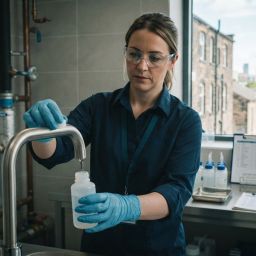
The Testing Lab PLC offers Quick Water Testing to help assess water-quality concerns identified during tank checks. If an inspection raises questions about stored water, testing can provide relevant evidence to support site water-management decisions. Where legionella control is the concern, The Testing Lab PLC also offers LCA-registered Legionella Risk Assessments, Fast Legionella Testing and Fast Legionella Risk Assessment.
The Testing Lab PLC is based in Doncaster and serves clients UK-wide, including in Durham and nearby locations such as Newcastle upon Tyne, Middlesbrough and Sunderland. When making an enquiry, share the inspection findings and water-quality concern so the next step can address the issue identified.
To discuss a legionella risk assessment for your site, contact The Testing Lab PLC.
Turn inspection findings into a clear next step
A cold water storage tank inspection programme for Durham University estates is most useful when findings lead to documented decisions, assigned actions and follow-up. If a concern remains after an inspection, connect it to the relevant part of the UK-wide water-management process rather than treating the visual check as the final word.
Cold water storage tank inspection findings across Durham University Estates can show when further evidence is needed. The Testing Lab PLC offers Quick Water Testing, LCA-registered Legionella Risk Assessments and Fast Legionella Testing. These services can support decisions when water-quality concerns or legionella risks need further assessment. The next step depends on what the inspection identified and what evidence the site needs.
Share the concern and relevant inspection information to start a focused discussion. Contact The Testing Lab PLC about your water-testing or legionella assessment needs, and move forward with a clearer basis for managing the issue.
Frequently Asked Questions
Is my tank in good condition?
A tank is in good condition when its structure and protective fittings are intact, clean and working as intended. Check for a secure lid, a clear air vent, leaks, corrosion, cracks or signs of dirt entering the tank. A loose lid or damaged vent, for example, should be recorded and assessed even if the water looks clear. Visual appearance alone cannot confirm water quality.
Is stored water safe to drink?
Appearance alone cannot establish whether stored water is safe to drink. Clear water may still need assessment if there are concerns about contamination or the tank’s condition. Temperature records and suitable water testing provide evidence beyond a visual check. After tank cleaning and disinfection, samples may be tested for Total Viable Count, E. coli and Legionella bacteria, depending on the site’s monitoring needs.
What happens when a deficiency is found during inspection?
What records must be kept for CWST inspections?
Record the inspection date, inspector details, tank condition and measured temperature. Include each deficiency, recommended corrective action and action taken. If an inspection identifies a damaged fitting, for example, record both the finding and its remedy. These details help Durham University Estates staff review previous outcomes, identify unresolved issues and maintain a clear history for each cold water storage tank.
How often should cold water storage tanks be inspected in the UK?
Annual tank and water-quality checks are recommended, while six-monthly inspections are widely adopted as good practice in UK commercial buildings. The appropriate programme should reflect the building’s water system, tank condition and legionella-control arrangements. At Durham University, estate teams can review inspection findings and previous records to determine whether the schedule remains suitable for each building and water system.

Article by
P J F Thomas
CEO and Founder of TTL plc.
Disclaimer
Items declared are AI generated but do reflect our services. Please get in contact if you have any questions.