
Accredited water hygiene consulting and costs in Carlisle
What determines the cost of an accredited water hygiene consultant in Carlisle for commercial buildings? A consultant assesses the building’s water systems and the work needed to manage Legionella risk. The cost depends on the site, its systems and the assessment required. Request an instant quote for a price based on the specific scope.
That work sits within a UK-wide legal framework: the Health and Safety at Work etc. Act 1974, the Management of Health and Safety at Work Regulations 1999, and the Notification of Cooling Towers and Evaporative Condensers Regulations 1992 are relevant, according to UK Legislation. This guide explains what can affect costs, which assessments and compliance services a commercial building may need, and how professional support can help make responsibilities manageable. The Testing Lab PLC is a national service provider with its head office in Doncaster, serving businesses across the UK.
Key Takeaways
- Water hygiene compliance costs depend on the building, its water systems and the assessment required; a tailored scope helps clarify what the work involves.
- UK legislation provides the framework for managing water safety and Legionella risks in commercial premises.
- The right assessment and ongoing services depend on the building’s systems, condition and risk profile.
- Learn how professional testing and Legionella risk assessments can support a structured approach to compliance in Carlisle.
How Much Does Water Hygiene Compliance Cost in Carlisle?
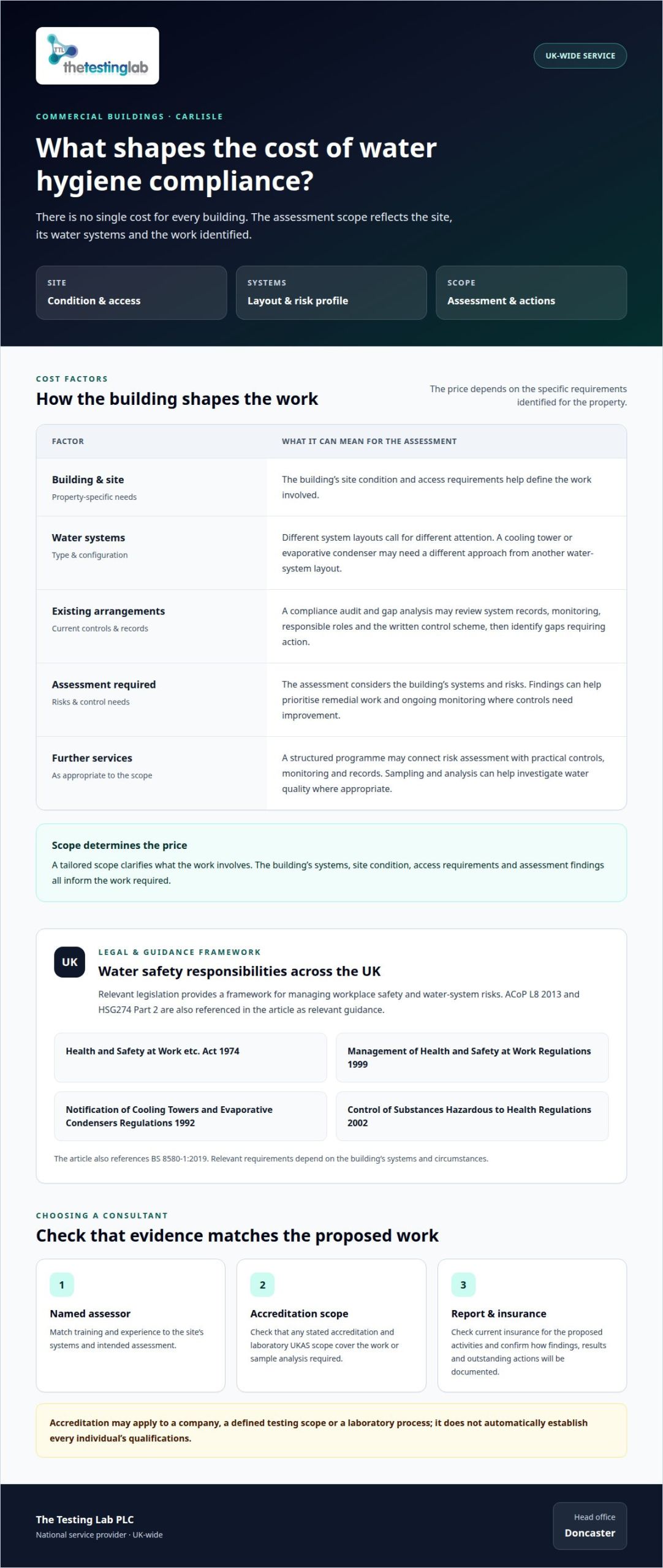
There is no single water hygiene compliance cost for every commercial building in Carlisle. The scope depends on the water systems, site condition, access requirements and work identified by the assessment. The building’s specific needs shape the price, so request an instant quote for a tailored figure.
UK-wide, the Health and Safety at Work etc. Act 1974, the Management of Health and Safety at Work Regulations 1999, and the Notification of Cooling Towers and Evaporative Condensers Regulations 1992 form part of the water-safety legal framework, according to UK Legislation. These laws provide a basis for managing workplace safety and relevant water-system risks. Water safety compliance is important wherever a building’s systems could create conditions for Legionella growth.
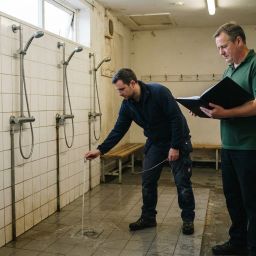
A compliance audit and gap analysis can assess whether existing arrangements address the building’s risks. The review may cover system records, monitoring, responsible roles and the written control scheme, then identify gaps requiring action. For example, a cooling tower or evaporative condenser may need different attention from a building with another water-system layout. Water management should reflect the risks of each commercial or residential property.
ACoP L8 2013 is a relevant approved code of practice, while HSG274 Part 2 provides guidance on Legionnaires’ disease, according to the Health and Safety Executive. When an assessment identifies controls that need improvement, the findings help prioritise remedial work and ongoing monitoring. This supports a consistent approach rather than relying on isolated checks.
Failing to manage Legionella can expose building users to infection risks and leave responsible parties vulnerable to regulatory enforcement under UK workplace health-and-safety requirements. The consequences depend on the circumstances. A documented assessment and appropriate controls help show that water-safety risks have been considered and managed.
Legionella compliance and water hygiene services
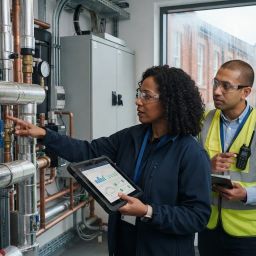
Across the UK, a structured programme connects Legionella risk assessment with practical controls, monitoring and records. Its scope should reflect each building’s water systems and use.
Legionella Risk Management
The Control of Substances Hazardous to Health Regulations 2002 form part of the UK legal framework for water safety, according to UK Legislation. A risk management service assesses systems, identifies control measures and sets out monitoring and treatment needs. Sampling and analysis can help investigate water quality where appropriate; results should be interpreted alongside system conditions, not in isolation. A control logbook records assessments, monitoring results, treatment and remedial actions, giving building managers a traceable record of ongoing legionella control. HSG274 Part 2 guidance on Legionnaires’ disease is referenced in water hygiene inspections, according to the Health and Safety Executive.
Consultant Commitments and Accreditations
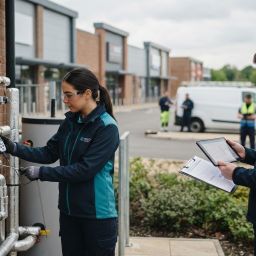
BS 8580-1:2019 is among the documents relevant to water safety, according to the British Standards Institution. For a UK-wide appointment, ask how the consultant applies relevant standards to the assessment and reports findings. If they cite Legionella Control Association commitments, clarify which commitments shape their procedures and service delivery. Review the named assessor’s relevant training, experience with comparable systems, and the scope of any stated accreditation. A clear report should connect identified legionella risk with practical control recommendations.
Checking Credentials and Insurance
Before appointing a consultant, request evidence of qualifications, relevant accreditation and current insurance, then match the documents to the proposed work. Check that the named assessor is covered for the activities they will undertake, including site assessment or sampling where applicable. Ask for a sample report structure and confirm how findings, water quality results and outstanding actions will be documented. These checks help businesses assess competence without treating a membership or certificate as a substitute for a suitable assessment. To discuss assessment requirements, request a Legionella service quote.
Which water hygiene consultants are accredited to work on commercial buildings in Carlisle?
For a commercial building in Carlisle, assess a consultant’s competence for the work, not just an accreditation label. Accreditation may apply to a company, a defined testing scope or a laboratory process; it does not automatically establish every individual’s qualifications. Clear distinctions between assessment, sampling and laboratory analysis help identify who is responsible at each stage.
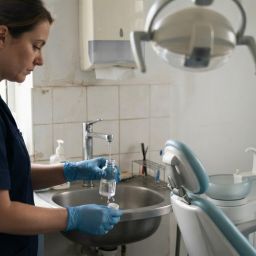
Check that the proposed method suits the building’s water systems and the question being investigated. A Legionella risk assessment examines system-specific risks and controls, while laboratory testing analyses samples. UKAS accreditation applies to defined testing scopes, so check that the laboratory’s scope covers the required analysis. The report should explain its sampling and analysis basis, results and relevant actions.
- Match the named assessor’s training and experience to the site’s systems and intended assessment.
- Review the laboratory’s UKAS accreditation scope against the requested sample analysis.
- Check that the report separates observations, test findings and recommendations.
When choosing an accredited water hygiene consultant for a commercial building in Carlisle, look for evidence that relates directly to the proposed work. A certificate should identify its holder, scope and validity; insurance documents should name the insured business and relevant activities. Compare these details with the named assessor, sampling arrangements and proposal deliverables to spot gaps in responsibility before appointment.
Strong evidence links the assessor, methods and report into one traceable process. For a UK-wide service supporting a Carlisle site, request a quote for water hygiene support with the building details and required assessment.
The Testing Lab PLC
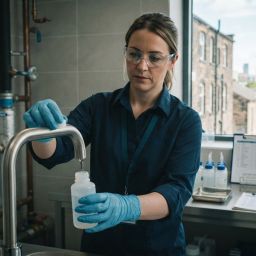
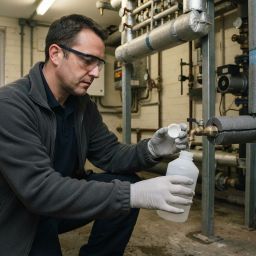
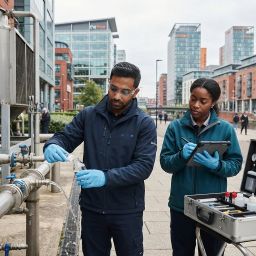
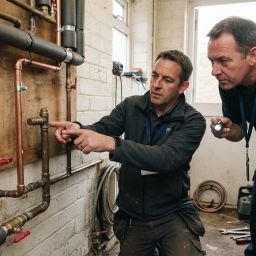
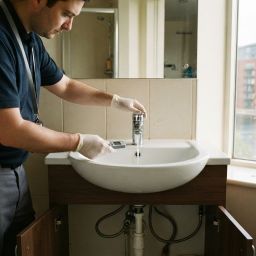
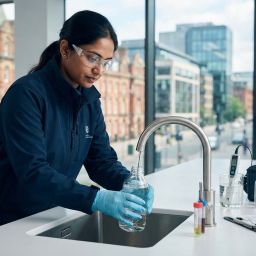
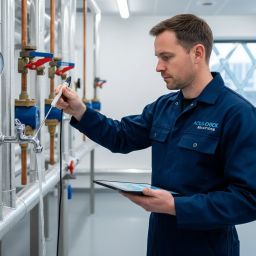
The Testing Lab PLC supports commercial buildings in Carlisle with water testing and Legionella assessment services. Its Quick Water Testing and Quick Legionella Risk Assessments can help clarify water-system conditions and identify risks that need considered management. The right starting point depends on the building’s systems, existing records and the question the assessment needs to address.
The Testing Lab PLC is headquartered in Doncaster and provides nationwide coverage, including Carlisle and other areas across the UK. For commercial water hygiene support, share the building type, water-system details and any existing assessment findings to help define the appropriate service and scope.
For a straightforward next step, contact The Testing Lab PLC about water hygiene requirements for your Carlisle building.
Put a clear water hygiene plan into action
For commercial premises, the next step is to turn assessment findings into a practical plan suited to the building’s systems and operations. An accredited water hygiene consultant for commercial buildings in Carlisle can help define an appropriate assessment and testing scope, making responsibilities and follow-up actions clear.
The Testing Lab PLC offers Quick Water Testing, LCA-registered Quick Legionella Risk Assessments and Fast Legionella Testing. These services support businesses investigating water conditions, assessing Legionella risk or progressing a testing requirement. The right starting point depends on the site and the question you need answered.
Share the building type and the water hygiene support required to begin a focused discussion. Contact The Testing Lab PLC to discuss the next step for your Carlisle premises and move towards a well-defined approach.
Frequently Asked Questions
What water hygiene services do Carlisle consultants offer for commercial premises?
Services can include water testing, Legionella risk assessments and Legionella testing. The appropriate service depends on the building’s systems and the issue being investigated. A risk assessment examines system-specific risks, while testing provides information about a water sample. The Testing Lab PLC offers Quick Water Testing, LCA-registered Quick Legionella Risk Assessments and Fast Legionella Testing for businesses in Carlisle.
How much does a commercial water hygiene risk assessment cost in Carlisle?
The cost depends on the assessment scope and the building’s water systems, so a tailored quote is needed rather than a single figure. Factors include system complexity, site access and the records available for review. If water testing is also needed, sample requirements affect the scope. Provide the building type and assessment needs when requesting an instant quote.
What UK laws and guidance govern Legionella control in commercial buildings?
UK-wide, the Health and Safety at Work etc. Act 1974, the Management of Health and Safety at Work Regulations 1999, and the Control of Substances Hazardous to Health Regulations 2002 are part of the water-safety legal framework, according to UK Legislation. HSE guidance for Legionella includes ACOP L8 and HSG274. The relevant considerations depend on the building and its water systems.
How often should commercial water systems be inspected, tested and maintained?
There is no single inspection or testing interval that suits every commercial system. The risk assessment and control scheme should set monitoring and maintenance arrangements according to system design, use and condition. Review them when a change could affect risk, such as altered building use, prolonged low occupancy or significant work on the water system. Record findings and follow-up actions.
Article by
P J F Thomas
CEO and Founder of TTL plc.
Disclaimer
This guide gives general information only and is not legal advice. For advice on your site or samples, contact The Testing Lab PLC.