
Legionella Water Safety Survey Chester Hotels: Risks Explained
Get instant Quote. A hotel can face legionella risks even when its water system appears to be working normally. For legionella control, cold water should be stored and distributed below 20°C, while the Health and Safety Executive says hot water should be stored at 60°C. A legionella water safety survey for Chester boutique hotels assesses how the system is managed and where conditions could allow risk to develop.
Hotels and leisure facilities need a risk-based approach to water safety. System layout and use, temperature control, infrequently used outlets and features that create aerosols all influence risk. This article explains the UK requirements and the factors that shape assessments and testing in hotel rooms, showers, spas and other facilities.
The Testing Lab PLC provides UK-wide services from its head office in Doncaster. Its LCA-registered Legionella Risk Assessments and Legionella testing support hotels in understanding water-system risks and managing them systematically.
Key Takeaways
- Understand why hotel water systems can present risks even when they appear to operate normally.
- See how system use, aerosol-producing outlets and leisure facilities influence the assessment.
- Learn how risk assessments guide monitoring and the timing of water sampling.
- Discover when professional water testing or a Legionella risk assessment can help clarify the next steps.
Is there really a legionella risk in hotels?
Yes. Hotel water systems can create conditions in which Legionella bacteria grow and spread. Risk depends on factors such as water temperature, system design, maintenance and how guests use outlets.
Risks in hotel water systems
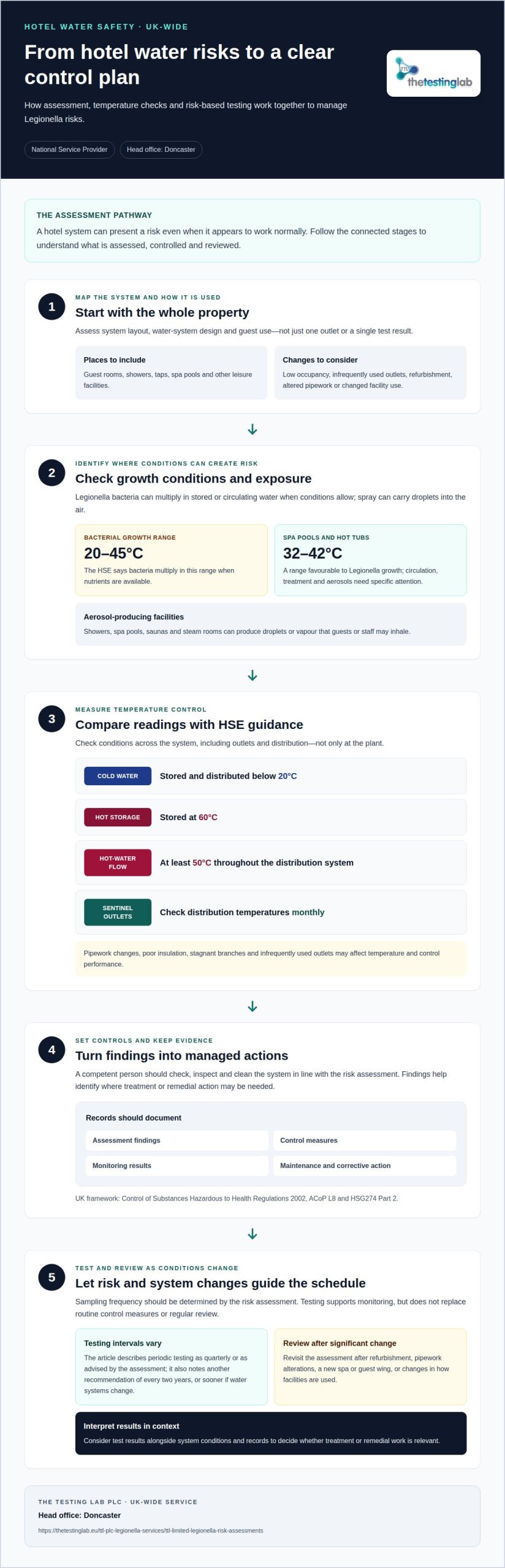
Legionella risk arises when bacteria multiply in stored or circulating water and become airborne through spray. According to the Health and Safety Executive, bacteria multiply between 20 and 45°C when nutrients are available. Showers, taps and spa facilities can produce droplets that guests or staff inhale, making water-system management a health and safety concern for hospitality businesses.
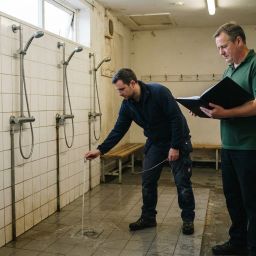
Guest facilities at risk include showers, taps, spa pools and other outlets that create spray. Changes such as refurbishments, altered pipework or periods of low occupancy can affect water movement and temperature. Under the UK’s Control of Substances Hazardous to Health Regulations 2002, risk assessments cover biological agents, including Legionella. Records should document the assessment, control measures, monitoring results, maintenance and any corrective action taken.
Hot-water temperature control
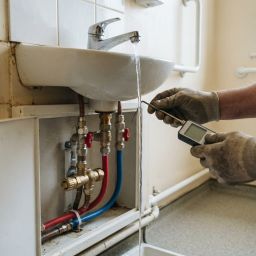
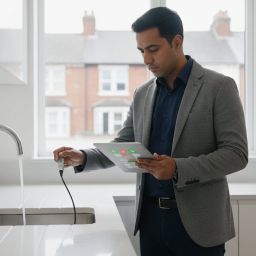
Temperature control means managing hot and cold water conditions to limit bacterial growth. According to the Health and Safety Executive, hotel hot water should be stored at 60°C, and hot-water flow should reach at least 50°C throughout the distribution system. These readings help assess whether stored water and outlets are being controlled effectively.
For legionella control, cold water should be stored and distributed below 20°C, according to the Health and Safety Executive. Sentinel outlet distribution temperatures should be checked monthly, also according to the Health and Safety Executive. A competent assessment considers readings across the system, not just at the plant: changes to pipework, poorly insulated sections, stagnant branches or infrequently used outlets may affect water temperature and control performance.
Legionella risk assessments and testing in hotels and leisure facilities
Legionella risk assessments help identify exposure risks and set out appropriate control measures. Testing and review schedules should reflect the individual system, how it is used and any changes to it.
Hotel water hygiene assessments
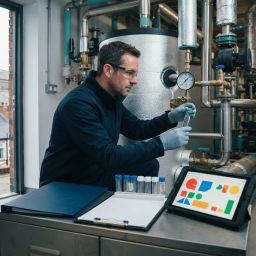
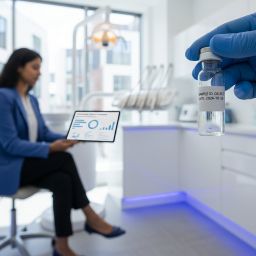
A hotel water hygiene assessment examines the system, its management and relevant exposure risks. A competent person should check, inspect and clean the system in line with the risk assessment. This helps hotels and leisure facilities identify where treatment or other remedial action may be needed, rather than relying on a single test to represent the whole system.
Review the assessment after significant changes, such as refurbishment, pipework alterations or changes in how facilities are used. A new spa or guest wing can affect the system and potential exposure routes. Keeping the assessment current helps operators respond to changed conditions and maintain clear records of controls and corrective work.
Testing and review schedules
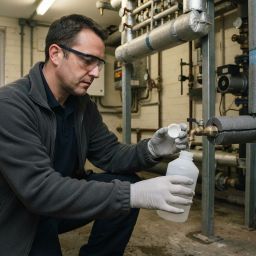
Hotels should arrange Legionella testing periodically, with sampling frequency determined by the risk assessment. Regular testing may be quarterly or as advised by the assessment; another recommendation is testing every two years, or sooner if water systems change. The schedule should therefore reflect system risk and changes, rather than treating one interval as suitable for every property.
Testing supports monitoring, but it does not replace routine control measures or regular review. A competent person can interpret results alongside system conditions and records, then determine whether treatment or remedial work is relevant. This evidence-based approach helps operators manage risks to guests and staff and respond appropriately if an outbreak is suspected.
Boutique hotel water safety surveys
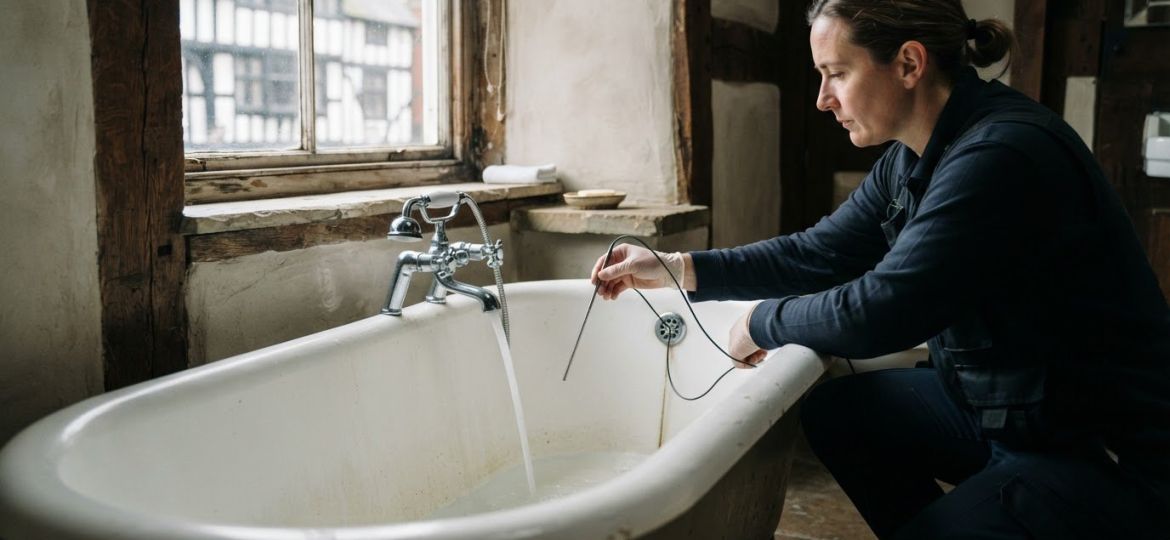
A Legionella water safety survey for a boutique hotel is a structured assessment of its water system, exposure risks and existing controls. It considers the property’s layout and use, including guest rooms, showers and leisure facilities. The findings help operators identify where monitoring, testing or remedial action may be needed.
For Chester hotels, a survey can help connect assessment findings with practical testing and follow-up. Request a Legionella assessment when you need a professional review of system risks, or testing to inform ongoing control.
Legionella risk factors in hotels
A Legionella water safety survey for Chester boutique hotels should consider the building’s layout, water-system design and guest facilities as a whole. Risk can vary across a property: a guest-room shower, a rarely used tap and a leisure facility may each present different conditions. The survey identifies how these features interact, rather than treating every outlet as equally exposed.
Showers, spa pools, saunas and steam rooms warrant specific attention because they can produce water droplets or vapour. Guests and staff may inhale aerosols during normal use. Spa pools and hot tubs commonly operate between 32 and 42°C, a range favourable to Legionella growth. Their circulation, treatment and aerosol production make them distinct from a guest-room tap.
Occupancy patterns matter, too. A room left unused between bookings may have outlets with less frequent water use, while refurbishment can alter pipework or water movement. These changes can affect individual outlets. A Legionella water safety survey for Chester boutique hotels should reflect current use and system configuration, since risks may vary between floors and facilities.
UK guidance, including ACoP L8 and HSG274 Part 2, addresses Legionella control in hot and cold water systems. Assessment findings can inform monitoring and maintenance priorities. Operators should pay particular attention to aerosol-producing facilities, changes to water systems and outlets with limited use. This helps identify where further assessment or testing is relevant, without assuming every hotel has the same risk profile.
For a professional review of hotel water risks, request a Legionella risk assessment.
The Testing Lab PLC
The Testing Lab PLC provides Legionella risk assessments and water testing for hotels across the UK, including boutique properties in Chester. From its head office in Doncaster, the company supports operators in understanding system risks and identifying appropriate next steps.
The Testing Lab PLC’s LCA-registered Legionella Risk Assessments review water-system conditions, control arrangements and relevant changes. Quick Water Testing and Fast Legionella Testing provide testing support when sampling is needed. These services can help when a hotel changes its system, adds leisure facilities or needs evidence to inform ongoing Legionella control. Findings help operators set follow-up priorities, recognising that risks can differ between outlets and facilities.
To discuss an appropriate assessment or testing service for your hotel, contact The Testing Lab PLC.
Make water safety part of hotel operations
For a boutique hotel, a survey can do more than document current conditions. Its findings can inform maintenance planning, clarify responsibility for follow-up and help management account for changes to rooms or guest facilities. A Legionella water safety survey for Chester boutique hotels can provide a practical reference for operational decisions, rather than simply a report to file away.
A clear handover between facilities management, housekeeping and contractors can help keep relevant observations visible as the property changes. This is particularly useful when room use, refurbishment work or leisure facilities affect how the water system is managed. The next step is to connect assessment findings with the hotel’s responsibilities and planned actions.
Contact The Testing Lab PLC to discuss your hotel’s Legionella assessment. A considered plan can help your team move forward with greater clarity.
Frequently Asked Questions
Do all hospitality businesses have to manage Legionella risks?
Hospitality businesses must consider Legionella risks where they control premises and water systems that could expose people. The appropriate actions depend on the system and how it is used, not on whether the business is a hotel, pub or leisure venue. A small Chester guesthouse and a hotel with a spa need assessments suited to their individual systems.
What are the legal obligations for hospitality?
UK employers have responsibilities under the Health and Safety at Work Act 1974 to protect employees and guests. The Control of Substances Hazardous to Health Regulations 2002 require risk assessments for biological agents, including Legionella. People responsible for premises must identify relevant hazards, establish suitable controls and keep records of assessments and actions. These responsibilities apply to the risks present at each site.
What other steps should be taken to control risks from Legionella?
Control measures should follow the written scheme and the risk assessment findings. For example, infrequently used outlets such as guest-room showers and taps should be flushed at least weekly. Shower heads and hoses should be cleaned and descaled at least quarterly. Records of monitoring, maintenance and corrective actions help show how controls are managed over time.
Which UK laws and HSE guidance apply to Legionella control in hotels?
Relevant UK legislation includes the Health and Safety at Work Act 1974, the Control of Substances Hazardous to Health Regulations 2002, and the Management of Health and Safety at Work Regulations 1999. HSE guidance includes ACOP L8 and HSG274. Together, these establish the legal context and provide practical guidance for controlling exposure risks in hotel water systems.
What does a Legionella risk assessment for a Chester hotel include?
A Legionella risk assessment considers the hotel’s water-system layout, how outlets and facilities are used, existing controls and who could be exposed. For a Chester property, the review may cover guest-room showers, kitchens and leisure facilities, as well as changes such as refurbishment or periods of low occupancy. The findings inform monitoring priorities, further testing and appropriate follow-up actions.
Article by
P J F Thomas
CEO and Founder of TTL plc.
Disclaimer
This guide gives general information only and is not legal advice. For advice on your site or samples, contact The Testing Lab PLC.