
Legionella logbook compliance review for Huddersfield sports clubs
Different sports-club buildings can need different Legionella controls. A legionella logbook compliance review for Huddersfield sports clubs should reflect how each water system is used, including areas with low or changing occupancy. UK-wide, the Control of Substances Hazardous to Health Regulations 2002 require risk assessments for biological agents, including Legionella.
Routine testing may seem like an essential part of every club’s compliance plan, but a risk assessment should determine whether water sampling is needed. Not every building requires routine sampling. This review explains how building use affects monitoring, testing and records, and what compliance gaps can mean for a club.
The Testing Lab PLC, the National Service Provider, has its head office in Doncaster and provides a UK-wide service. The sections ahead outline the records and controls to consider, then explain how a risk assessment and testing can support a more reliable water-management process.
Key Takeaways
- According to the UK legislation portal, the Control of Substances Hazardous to Health Regulations 2002 require UK-wide risk assessments for biological agents, including Legionella bacteria.
- Keep logbook evidence organised, including inspection findings, water temperatures, maintenance and risk assessments, so control measures can be followed over time.
- Understand how gaps in records or overlooked control actions can make it harder to demonstrate that Legionella risks are being managed.
- Use a Quick Legionella Risk Assessment or Fast Legionella Testing when a review identifies a need for professional assessment or sampling.
Monitoring, testing and record-keeping
UK-wide, the Control of Substances Hazardous to Health Regulations 2002 require risk assessments for biological agents, including Legionella bacteria, according to the UK legislation portal. The Health and Safety at Work etc. Act 1974 establishes a duty of care for employers and people controlling premises, according to the UK legislation portal. A competent person should assess each club’s water system, its use and the relevant control measures.
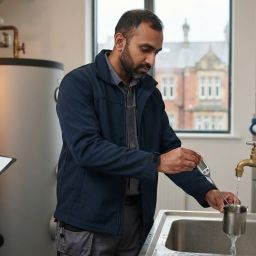
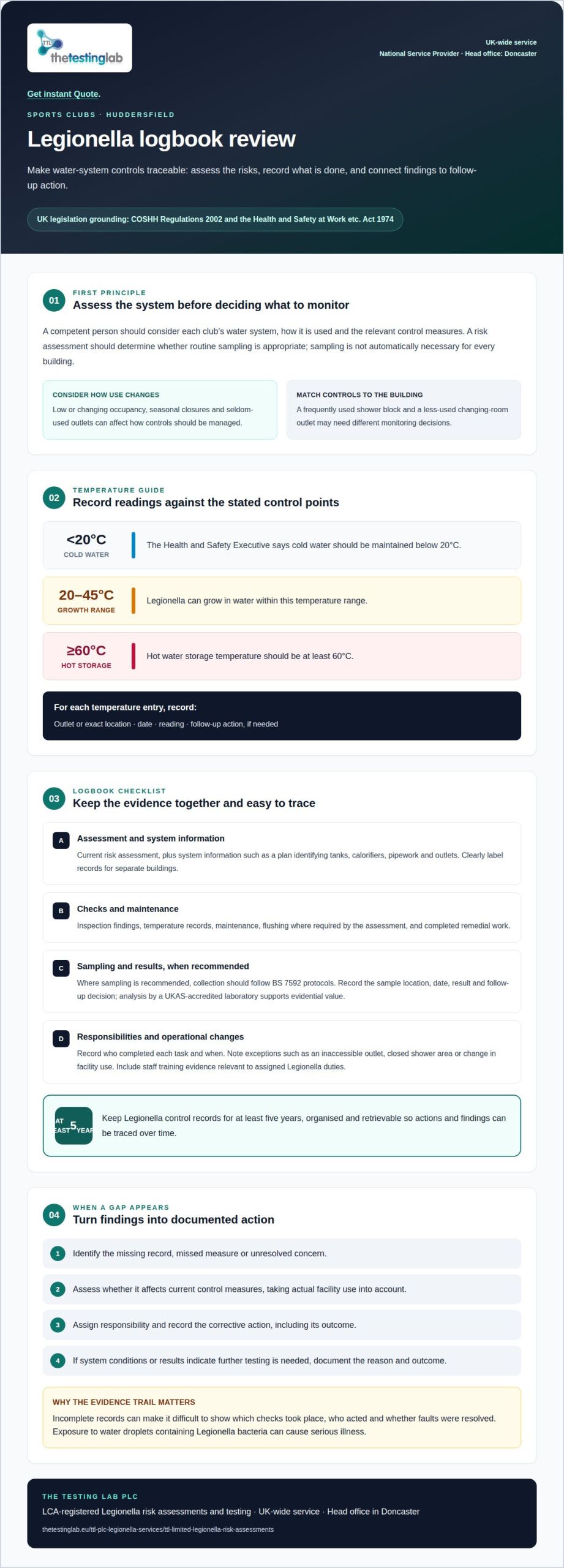
Temperature monitoring helps identify conditions that can support bacterial growth. Legionella can grow in water from 20°C to 45°C, according to the Health and Safety Executive. The Health and Safety Executive also says cold water should be maintained below 20°C and hot water storage temperature should be at least 60°C. Record readings at the locations and intervals set by the risk assessment. Include the outlet, date, reading and any follow-up action.
A useful logbook brings together evidence: the current risk assessment, inspections, temperature records, maintenance, flushing and completed remedial work. For a sports club, records can distinguish a frequently used shower block from an outlet in a less-used changing room. Record who completed each task and when. Keep Legionella control records for at least five years so the club can trace actions and review findings over time.
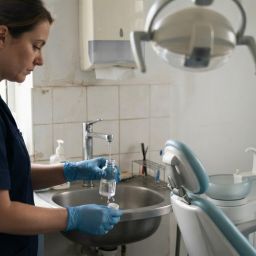
Sampling is not automatically necessary for every building. The risk assessment should determine whether routine water sampling is appropriate. Where samples are recommended, collection should follow BS 7592 protocols, and analysis by a UKAS-accredited laboratory supports evidential value. Record the sampling location, date, result and resulting action in the logbook. This creates a clear sequence from assessment to monitoring and response, helping facilities teams manage health and safety controls systematically.
Consequences of non-compliance
Across the UK, health and safety law places duties on employers and people who control premises. If a sports club’s water systems are not managed, an inspection may reveal that planned measures were missed or never carried out. Incomplete records can make it difficult to demonstrate which checks took place, who acted and whether faults were resolved.
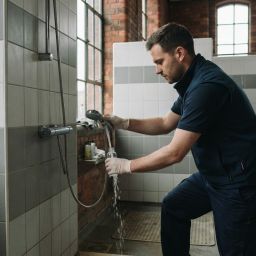
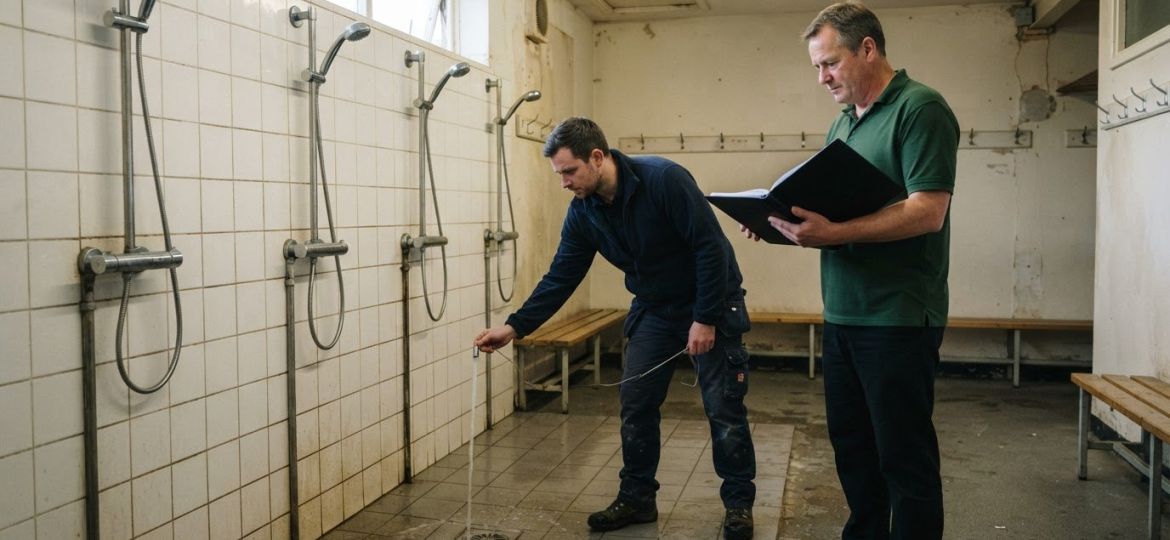
The consequences are not only administrative. Low-use outlets can allow water to stagnate, increasing Legionella risk. Seasonal closures, changing occupancy or an unused shower block can leave controls out of step with actual use. Exposure to water droplets containing Legionella bacteria can cause serious illness. A missed check or unresolved concern therefore needs prompt, documented action.
For Huddersfield clubs, a review may identify a mismatch between the risk assessment and how facilities operate. Domestic-style showers and seldom-used taps, for example, may call for different monitoring decisions. If recommended testing was not carried out, or results have no recorded follow-up, the evidence trail is incomplete. Unclear responsibilities can compound the problem when staff or contractors change.
A practical response is to identify the gap, assess whether it affects current control measures, assign responsibility and record the corrective action. Where results or system conditions indicate a need for further testing, document the reason and outcome. This helps connect findings to decisions rather than leaving unresolved entries in the logbook. For support addressing a Legionella concern, request a Legionella quote.
What Legionella logbook records must UK sports clubs keep?
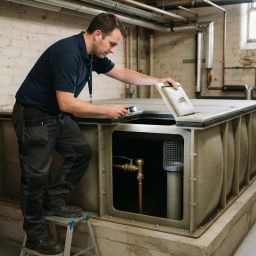
A Legionella logbook compliance review for Huddersfield sports clubs should make the club’s water-management decisions easy to trace. Keep the current risk assessment with the system information it relies on, such as a plan identifying tanks, calorifiers, pipework and outlets. If a club has separate buildings, label records clearly so findings from a clubhouse aren’t confused with those from a sports hall.
For each monitoring entry, record the date, exact location, reading or task completed, and the person responsible. Note exceptions too: an inaccessible outlet, a closed shower area or a change in facility use can affect how records are interpreted. A review for Huddersfield sports clubs can then connect operational changes to the relevant assessment and control measures.
Include maintenance inspections, flushing records where required by the assessment, remedial work and sampling reports. For test results, preserve the sample location and follow-up decision, not just the result. Add staff training evidence where it relates to assigned Legionella duties. These records help show how the club’s procedures are carried out in practice.
Keep records organised and retrievable for at least five years. A second Legionella logbook compliance review for Huddersfield sports clubs can use the record trail to identify recurring issues, overdue actions or areas needing a fresh assessment. For help reviewing your club’s Legionella records and water-system controls, request a Legionella risk assessment quote.
The Testing Lab PLC
The Testing Lab PLC helps sports clubs across the UK address Legionella questions through LCA-registered Legionella risk assessments and testing. If a logbook review identifies gaps, changes in facility use or uncertainty about whether sampling is appropriate, a professional assessment can clarify water-system risks and relevant next steps.
Its services include Quick Legionella Risk Assessments, Fast Legionella Risk Assessment, Quick Water Testing and Fast Legionella Testing. The right approach depends on the system, its use and the findings that need investigation. An assessment can inform whether testing is needed, while testing can provide evidence where sampling is recommended.
For support reviewing your club’s Legionella controls and records, contact The Testing Lab PLC.
Make your club’s next step clear
A Legionella logbook compliance review for Huddersfield sports clubs can help turn record-keeping concerns into a defined plan. Use the findings to identify which controls need attention, clarify responsibilities and connect future decisions to how your facilities operate. This gives your team a practical basis for maintaining oversight as club use changes.
The Testing Lab PLC offers Quick Water Testing, LCA-registered Quick Legionella Risk Assessments and Fast Legionella Testing. These services can support clubs where an assessment or sampling is the appropriate next step. The focus is on understanding the system and taking a methodical approach to the issue.
To discuss your club’s Legionella requirements, contact The Testing Lab PLC. A clear next step can help your team move forward with confidence.
Frequently Asked Questions
Do different buildings need different testing?
Yes. Appropriate monitoring and sampling depend on each building’s water system and how people use it. A busy sports hall, seldom-used changing rooms and a separately managed clubhouse may have different outlet usage and water-system conditions. Assess these features individually. A Legionella risk assessment should determine whether sampling is needed, rather than applying one testing schedule to every building.
What Happens If You Don’t Comply?
Unmanaged Legionella risks can expose people using a club’s facilities to harmful bacteria, while missing or incomplete records can make control actions difficult to demonstrate during an inspection. The practical response is to identify any control gap, assess its relevance to the water system and document corrective action. The consequences depend on the circumstances and the risks identified.
What happens after the testing?
After sampling, interpret the results alongside the risk assessment and the locations tested. If a result or system condition needs attention, record the finding, the decision taken, who is responsible and when the action is completed. For example, a result linked to one shower block should prompt a review of that part of the system, not an unsupported assumption about every outlet.
What are the UK legal requirements for Legionella risk assessments and water-system monitoring?
UK-wide, the Control of Substances Hazardous to Health Regulations 2002 require risk assessments for biological agents, including Legionella; the Health and Safety at Work etc. Act 1974 establishes duties for employers and people controlling premises, according to the UK legislation portal. HSE guidance includes ACOP L8 and HSG274. Monitoring and any sampling should follow the assessment of the premises’ water system.
What temperatures and monitoring limits should be recorded in a Legionella logbook?
The Health and Safety Executive says Legionella can grow in water from 20°C to 45°C. It also says cold water should be maintained below 20°C and hot water storage temperature should be at least 60°C. Record readings against their locations and dates, then assess unexpected results in context. The risk assessment should determine monitoring arrangements, including which outlets need checks and how often.

Article by
P J F Thomas
CEO and Founder of TTL plc.
Disclaimer
This guide gives general information only and is not legal advice. For advice on your site or samples, contact The Testing Lab PLC.