
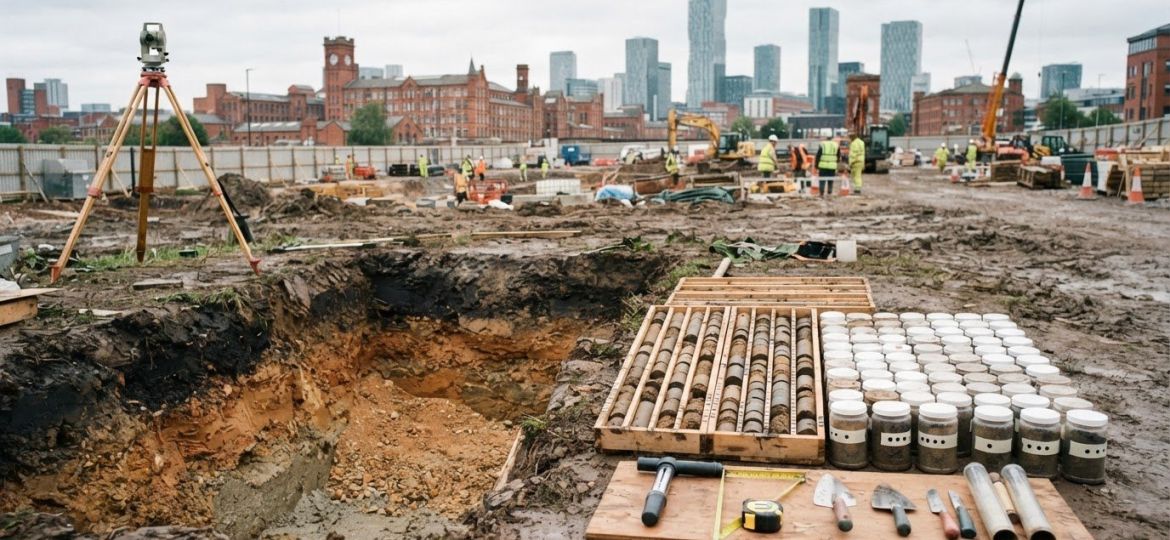
UKAS Soil Suitability Testing for Manchester Civil Projects
Get instant Quote. Ground conditions need to be understood before they can inform a civil engineering design. For Manchester civil engineering projects, UKAS-certified soil suitability testing begins by defining the questions the investigation must answer, then selecting appropriate sampling and laboratory testing methods. Soil samples and trial pit logs can help build a clearer picture of the materials present and their relevance to the proposed works.
It’s understandable to want reliable results and clarity about what to test. This guide explains how to scope geotechnical testing, coordinate soil sampling and trial pit logging, and assess the factors that shape a suitable testing programme. You’ll also learn what to consider when arranging work with a UKAS-accredited laboratory, so the investigation aligns with your project requirements and supports informed engineering decisions.
Key Takeaways
- Define the engineering decisions your ground investigation needs to support before setting its testing scope.
- Plan soil sampling and trial pit logging together to build a useful, traceable picture of site conditions.
- Match test methods and reporting requirements to the project specifications; accreditation alone doesn’t define the right scope.
- For projects across the UK, keep water-testing needs distinct from soil suitability testing and plan each workstream accordingly.
Geotechnical and materials testing providers
For civil engineering projects, choose a testing provider whose laboratory methods match the design questions. Check the laboratory’s accreditation and the technical scope of the specific tests proposed.
Accredited and Non-Accredited Soil Testing
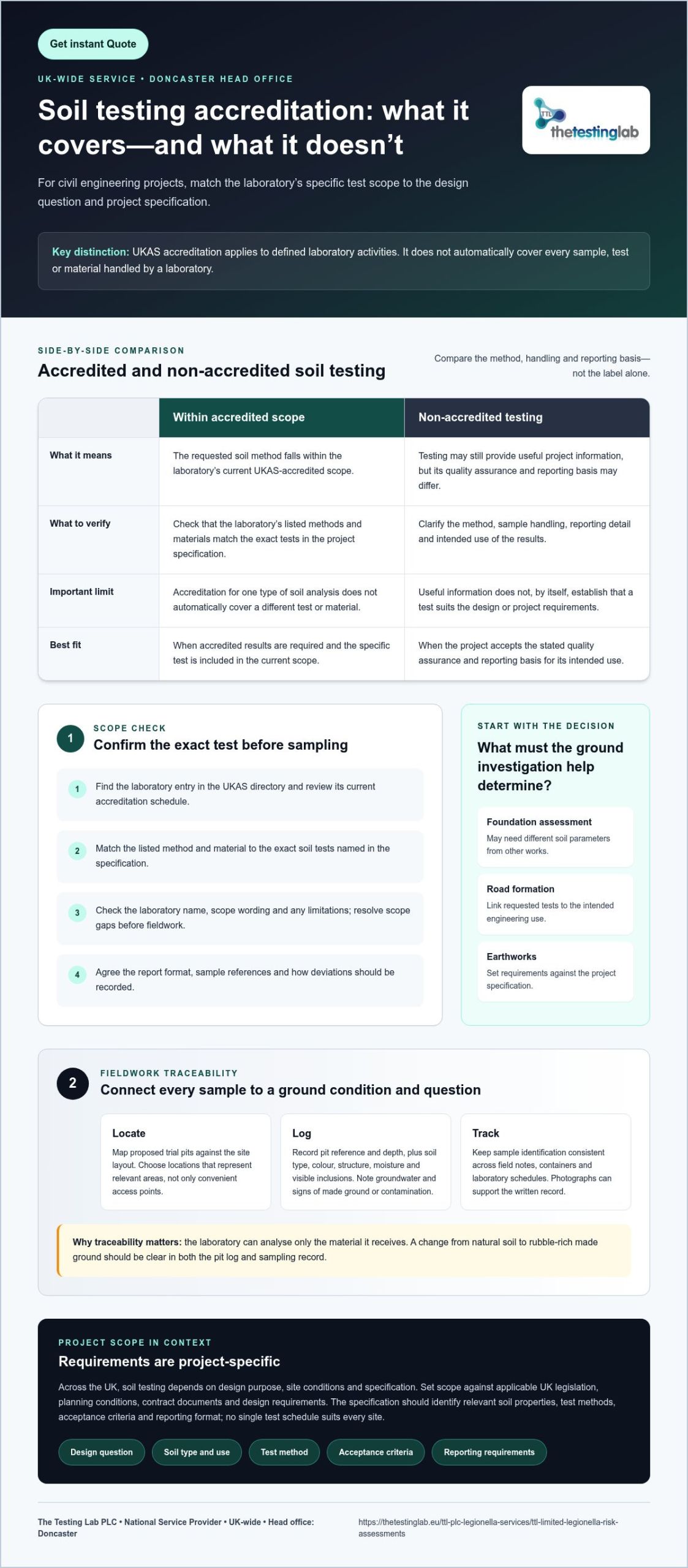
UKAS accredits laboratories for defined activities; accreditation does not cover every sample or test a laboratory performs. An accredited result is relevant when the requested soil method falls within the laboratory’s current accredited scope.
Non-accredited testing may still provide useful project information, but its quality assurance and reporting basis may differ. Compare the method, sample handling, reporting detail and intended use of results. Accreditation alone does not prove that a test suits your design.
Accreditation and Test Scope Checks
To verify a laboratory’s status, find its entry in the UKAS directory and review its current accreditation schedule. Match the listed methods and materials to the exact soil tests in your specification.
For example, a scope covering one type of soil analysis does not automatically cover a different test or material. Check the laboratory name, scope wording and any limitations, then compare these with your project’s technical requirements before sampling begins.
For a Manchester site, give the testing team your investigation objectives, proposed sample types and required reporting format. This helps identify scope gaps early and connects laboratory work to the civil engineering decisions it needs to inform.
Soil sampling and trial pit logging
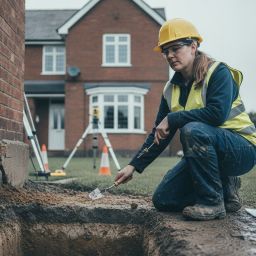
For civil engineering projects, connect each sample to a specific ground condition and engineering question. Before fieldwork, map proposed trial pit locations against the site layout. Note where changes in levels, structures or historic land use could affect interpretation.
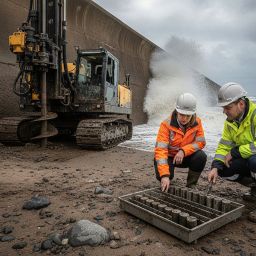
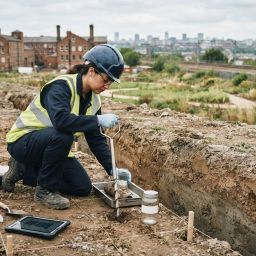
During excavation, log each pit by depth and describe changes in soil type, colour, structure, moisture and visible inclusions. Record groundwater observations and any signs of made ground or contamination. Photographs can support the written record, and clear sample labels preserve the link between each result and its location.
- Choose sample locations to represent relevant areas, not just convenient access points.
- Record the pit reference, depth and material description for every sample.
- Keep sample identification consistent across field notes, containers and laboratory schedules.
These steps make results easier to compare with the ground profile and proposed works. For example, a change from natural soil to rubble-rich made ground should appear in the pit log and sampling record. The laboratory can analyse only the material it receives, so clear instructions and traceable sample handling matter.
Unsuitable ground information can lead to design assumptions that do not reflect actual bearing or settlement conditions. Contamination or incorrect results may also lead to unsuitable construction or material-management decisions, affecting project scope and cost.
For a project-specific next step, set out your testing requirements and the information the investigation needs to provide.
What UK standards and specifications apply to civil engineering soil testing?
Across the UK, soil testing requirements depend on the design purpose, site conditions and project specification. No single test schedule suits every civil engineering site. The specification should identify the soil properties to assess, test methods, reporting format and acceptance criteria. For UKAS-certified soil suitability testing for Manchester civil engineering projects, define these requirements before fieldwork begins.
Use this sequence to review the requirements:
- Read the project specification and identify its named standards, test methods and acceptance criteria.
- Match each requested test to the soil type and intended engineering use.
- Check that the laboratory’s UKAS accreditation scope covers the relevant method, where accredited results are required.
- Agree how results, deviations and sample references should appear in the report.
Planning conditions, contract documents and design requirements can shape the investigation scope. Distinguish project-specific acceptance criteria from laboratory methods and reporting preferences. Reporting expectations can vary between projects and should be clarified in the specification.
Before sampling, resolve differences between the geotechnical brief, drawings and laboratory schedule. For civil engineering projects in Manchester, agree the testing criteria in advance so engineers can interpret results against the intended requirements. Request a project testing quote to discuss the testing brief.
Use the applicable standards and test methods named in the project specification, alongside the agreed acceptance criteria and reporting requirements. Planning conditions, contract documents and design requirements may also shape the scope; there is no single test schedule for every site.
The Testing Lab PLC: Quick Water Testing
The Testing Lab PLC provides UK-wide services from its head office in Doncaster, supporting projects in Manchester and across the region. Soil suitability testing and water testing answer different project questions. If a civil engineering project also requires water checks, Quick Water Testing can support that separate workstream.
If water-system risks are part of the site’s operational planning, The Testing Lab PLC provides LCA-registered Quick Legionella Risk Assessments and Fast Legionella Testing. Keeping this scope separate from geotechnical investigations helps define the appropriate sampling, analysis and reporting for each task.
For a water-system assessment, contact The Testing Lab PLC or visit the Legionella risk assessment service page.
Turn your site investigation into a clear next step
Use the investigation brief to link each workstream to a defined project decision. For UKAS-certified soil suitability testing for Manchester civil engineering projects, align the scope, sample plan and reporting needs with the design team before fieldwork. This gives your team a practical basis for coordinating technical requirements and reviewing results as the design develops.
If your site also needs water testing or Legionella services, treat this as a separate workstream rather than folding it into the soil investigation. A clear request helps direct the enquiry to the relevant service and keeps project requirements distinct.
Submit an enquiry to discuss your project requirements, and take the next step with confidence.
Frequently Asked Questions
What soil samples are required, and how should they be collected and transported?
The required samples depend on the ground conditions and tests specified for your Manchester project. Agree sample types and containers with the laboratory before fieldwork, as handling requirements vary by analysis. Collect material from the intended location and depth, keep distinct soils separate, and label each container with its sample reference. Seal samples securely and follow the laboratory’s transport instructions for projects in Manchester and across The Testing Lab PLC’s UK-wide service area.
Which soil tests are needed to assess suitability for roads, foundations, and earthworks?
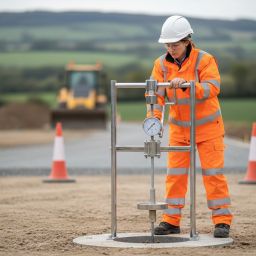
The tests depend on the project specification and intended use. A programme may assess material classification, strength or compaction performance. Foundation, road formation and earthworks projects may require different parameters.

Article by
P J F Thomas
CEO and Founder of TTL plc.
Disclaimer
Items declared are AI generated but do reflect our services. Please get in contact if you have any questions.