
Asbestos Sampling for Lancaster’s Historic and Institutional Buildings
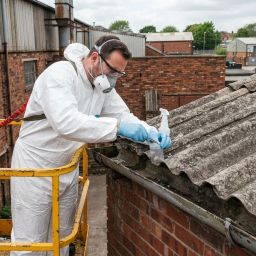
If asbestos is found or presumed in a public building, don’t disturb the material: establish its condition and manage it before planned work proceeds. Asbestos sampling for Lancaster’s municipal and public buildings can help identify suspected materials, while a refurbishment and demolition survey is required before work disturbs the fabric of a building constructed before 2000.
Historic buildings, schools and other public premises can contain materials that need careful assessment, and access constraints can affect what a survey can establish. Under Regulation 4 of the Control of Asbestos Regulations 2012, according to the UK Government, those responsible for commercial premises must identify and manage asbestos-containing materials that may be present.
This guide explains how survey access, asbestos sampling and laboratory testing work, what presumed asbestos-containing materials are, and what to consider if asbestos is identified. It also sets out practical steps for managing risk while protecting building users and planned works.
Key Takeaways
- Record rooms and areas that surveyors can’t access; materials that can’t be inspected may need to be treated as presumed asbestos-containing materials.
- Plan refurbishment and demolition surveys around access to the work areas, as these surveys use invasive techniques.
- Have suspected materials sampled by a suitable contractor or suitably trained people, then use laboratory results to guide the next steps.
- According to the UK Government, Regulation 4 of the Control of Asbestos Regulations 2012 places a duty on those responsible for commercial premises to identify and manage asbestos-containing materials that may be present.
Survey access, sampling and presumed asbestos-containing materials
For asbestos sampling in Lancaster, access determines which materials can be inspected or sampled. The survey type should match the building’s condition and the planned work.
Survey Access and Material Identification
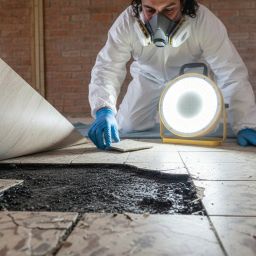
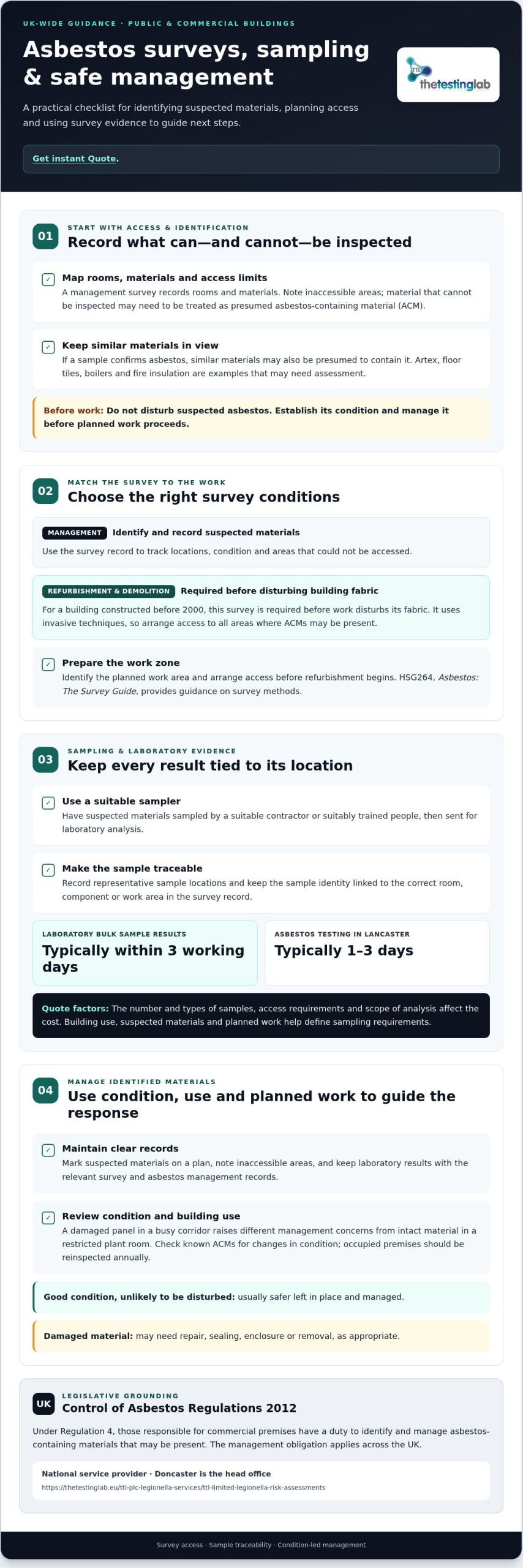
According to the UK Government, Regulation 4 of the Control of Asbestos Regulations 2012 places a duty on those responsible for commercial premises to identify and manage asbestos-containing materials that may be present. A management survey records rooms, materials and inaccessible areas; where a suspected material cannot be inspected, it is presumed to contain asbestos. If a sample confirms asbestos, similar materials may also be presumed to contain it. Artex, floor tiles, boilers and fire insulation are examples that may need assessment.
Refurbishment and Demolition Survey Needs
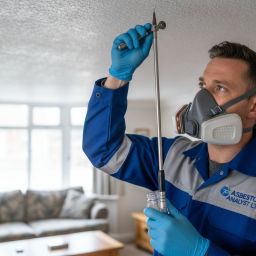
A refurbishment and demolition survey is required before work disturbs the fabric of a Lancaster building constructed before 2000. These surveys use invasive techniques, so the surveyor needs access to all areas where asbestos-containing materials may be present. Identify the work zone and arrange access before refurbishment begins. Suspected asbestos materials should be sampled by a suitable contractor or suitably trained people, then sent for laboratory analysis. HSG264, Asbestos: The Survey Guide, provides guidance on survey methods.
Public Building Asbestos Information
Lancaster City Council carries out in-depth asbestos surveys for work such as roof repairs and kitchen or bathroom replacements. This does not establish whether asbestos registers or management plans are publicly available. To request information about a council building, give the council the building name, affected room or area, and planned work, then ask about relevant asbestos records and access restrictions. If identified materials are damaged, they may need to be repaired, sealed, enclosed or removed, as appropriate. Their condition should also be checked as part of ongoing management.
Asbestos sampling and laboratory testing
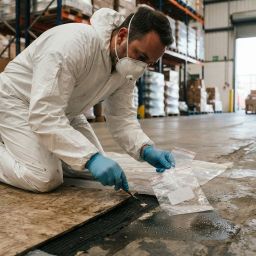
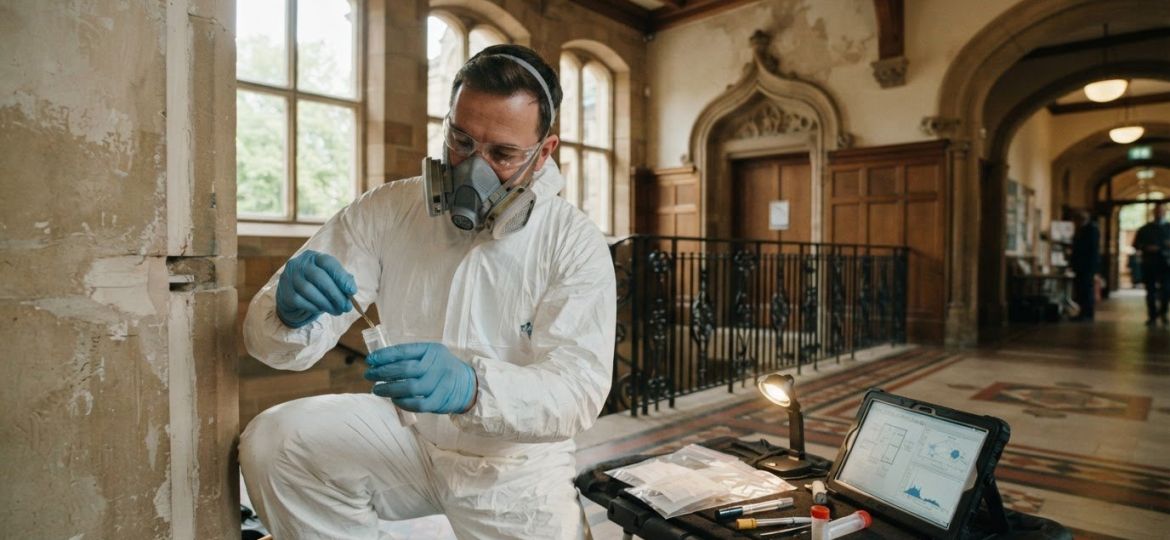
Asbestos sampling links a suspected material in a Lancaster building to a laboratory result. During a management survey, the surveyor selects representative materials, records their locations and submits samples for analysis. The results help distinguish confirmed asbestos-containing materials from materials that only look similar, supporting management decisions before refurbishment or demolition.
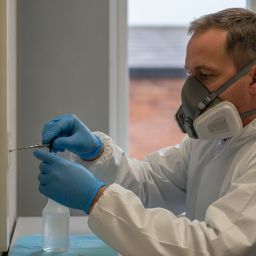
Bulk sampling examines a piece of the material itself, rather than relying on appearance alone. The sample’s identity and location should remain traceable to the survey record, so the result can inform the correct room, component or work area. A laboratory can analyse bulk asbestos samples, with results typically ready within 3 working days. Asbestos testing in Lancaster typically takes 1-3 days.
The cost of asbestos sampling and laboratory analysis in Lancaster depends on the work required. The number and types of samples, access requirements and scope of analysis all affect the quote. Describe the building’s use, suspected materials and planned work when requesting a quote to help define the sampling requirements.
In public, institutional and industrial buildings, agree sample locations with the project team before work begins. Mark each suspected material on a plan, note inaccessible areas, and keep laboratory results with the relevant survey and asbestos management records. This creates a clear evidence trail for building managers and project teams in Lancaster and elsewhere in the UK.
If you need to discuss testing requirements for a project, request a project quote.
Asbestos risks in historic, institutional and public buildings
Lancaster’s industrial expansion during 1760-1840 left a varied built environment, including older civic, educational and institutional premises. Asbestos was banned in the UK in 1999, but buildings constructed or refurbished earlier may still contain it. The material’s presence depends on the building’s age, later alterations and the products used, not its public function.
According to the UK Government, the Control of Asbestos Regulations 2012 require those responsible for most non-domestic premises in Lancaster to manage asbestos. This obligation applies across the UK. A management survey and a current management plan help record suspected or confirmed materials, their location and condition, and the controls needed to prevent disturbance during maintenance or occupancy.
In an occupied school, civic centre or other public building, consider how each space is used when reviewing survey findings. A damaged panel in a busy corridor raises different management concerns from intact material in a restricted plant room. Check known asbestos-containing materials for changes in condition and arrange annual reinspection of occupied premises. Record findings clearly so facilities teams can brief maintenance staff before work begins. Clear building documentation is also vital when civic spaces host public gatherings; technical production specialists such as Straight Street Event Services frequently emphasize that understanding venue safety and structural constraints is key before mounting staging and AV equipment.
If asbestos is present, testing and condition assessment help inform the response. Materials in good condition and unlikely to be damaged or disturbed are usually safer left in place and managed. Damaged materials may need repair, sealing, enclosure or removal. A specialist can interpret survey and testing evidence against the planned work, building use and material condition. For support with project requirements, submit an asbestos project enquiry.
The Testing Lab PLC: Quick Water Testing
The Testing Lab PLC provides Quick Water Testing for organisations assessing water quality in public buildings. Asbestos surveys and water testing address different risks, but both can inform building management when refurbishment or ongoing maintenance affects occupied premises.
For water-system concerns, relevant services include Quick Legionella Risk Assessments, Fast Legionella Testing and Water Management Services. These support decisions about water systems, rather than identifying or managing asbestos-containing materials. The Testing Lab PLC provides services across the UK, with its head office in Doncaster.
If your building project also raises questions about water safety, you can visit the Legionella risk assessment page or contact The Testing Lab PLC.
Turn survey findings into a practical building plan
Where a project also raises questions about water systems, The Testing Lab PLC offers water and Legionella services as a separate part of building management. Share the relevant project context through the quote request form to discuss the appropriate next step. With clear records and well-defined responsibilities, your team can move forward with greater confidence.
Frequently Asked Questions
What if asbestos is found?
Stop any work that could disturb the material and keep people away from the affected area. Tell the person responsible for the building, then record the material’s location and any visible damage. Don’t sweep, drill, scrape or try to remove it yourself. The responsible team can use the survey findings and the material’s condition to decide whether it can be managed in place or needs further action.
NEED ASBESTOS ADVICE?
For asbestos-specific advice, gather the building’s survey report, plans and details of any planned works before discussing next steps. The Testing Lab PLC provides asbestos consultancy, including management planning and project oversight. This can help a building team interpret findings and coordinate appropriate controls. Keep the advice focused on the material, its condition, who uses the area and whether work may disturb it.
What happens after the survey?
Use the report to identify materials requiring management, record their locations and share relevant findings with facilities and maintenance teams. Before work starts, compare the work area with the survey information and resolve any gaps in access or inspection. If the project changes, assess whether the existing survey covers the new scope and affected areas.
Which public buildings in Lancaster may contain asbestos-containing materials?
Older schools, council offices, libraries, leisure facilities and other civic buildings may contain asbestos-containing materials, depending on their construction and refurbishment history. Public use alone does not confirm whether asbestos is present. Review survey records and planned work areas. Older floor tiles, textured coatings or insulation may warrant assessment before maintenance or renovation.
Who is qualified to sample and test asbestos in Lancashire, and what accreditation is required?
Suspected materials should be sampled by a suitable contractor or suitably trained people. Sampling competence and laboratory accreditation are separate considerations: the sample must be collected and identified correctly, then analysed by a capable laboratory. The Testing Lab PLC’s laboratory is UKAS accredited, number 7758. That accreditation applies to its laboratory testing; it doesn’t mean every sampler must hold that same accreditation.

Article by
P J F Thomas
CEO and Founder of TTL plc.
Disclaimer
Items declared are AI generated but do reflect our services. Please get in contact if you have any questions.