

How to Prevent Legionella in Social Housing
Table of Contents
- Understanding Legionella Risk in Social Housing
- Conducting a Legionella Risk Assessment for Social Housing
- Maintaining Water Temperature and Legionella Temperature Monitoring and Records
- Implementing a Legionella Flushing Regime for Vacant Properties
- Developing Your Legionella Management Plan Template
- Regular Inspection and Review Cycles
- Common Mistakes to Avoid
- Frequently Asked Questions
Last Updated: 14 October 2026
Understanding Legionella Risk in Social Housing
Legionella is a bacterium that grows in warm water systems and can cause serious respiratory illness when contaminated water is inhaled as a mist or aerosol. Understanding how to prevent legionella in social housing is essential, as water systems are often complex, shared, and subject to heavy use, making the risk of legionella colonisation particularly high. Tenants, staff, and visitors face exposure every time they use showers, taps, or communal facilities.
Social housing providers have a legal duty under the Health and Safety at Work etc. Act 1974 and the Control of Substances Hazardous to Health Regulations 2002 to manage legionella risks (Legionella and landlords’ responsibilities). This isn’t optional compliance, it’s a fundamental responsibility to protect the people who live and work in your properties.
The stakes are clear. Legionella can cause Legionnaires’ disease, a severe pneumonia-like illness that requires hospitalisation. Outbreaks in housing settings can spread quickly through shared pipework and communal water systems. Beyond the immediate health impact, failures in legionella management expose housing providers to enforcement action, substantial fines, and reputational damage.
The Testing Lab works with social housing providers across the UK to assess legionella risks and develop effective management strategies. The approach outlined here reflects current best practice and regulatory expectations.
Conducting a Legionella Risk Assessment for Social Housing
A legionella risk assessment is the foundation of any effective prevention strategy, and understanding how to prevent legionella in social housing begins with this systematic evaluation.
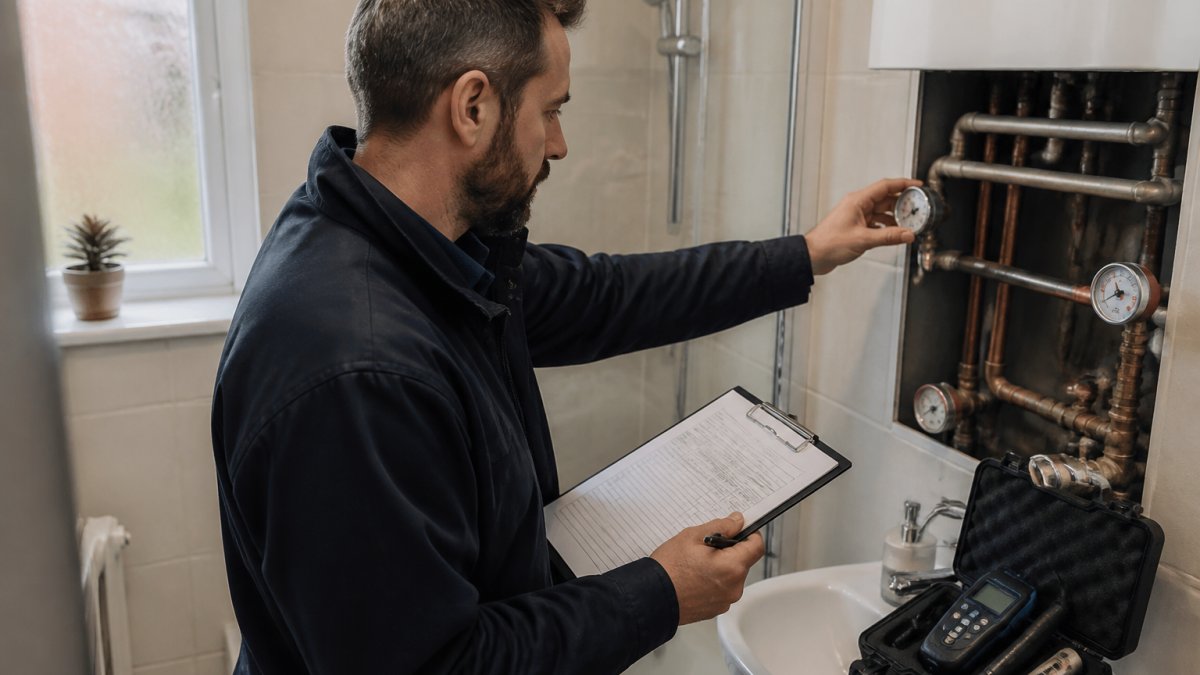
Start by mapping your water systems. Document every water-using facility: showers, baths, taps, communal kitchens, laundry facilities, cooling towers, and any other systems that hold or distribute water.
Next, examine water temperatures. Hot water should be stored at 60°C or above and delivered at 50°C or above at the tap (Managing legionella in hot and cold water systems).
Look for system design issues that encourage bacterial growth:
- Dead legs or redundant pipework where water stagnates
- Low-use outlets where water sits for extended periods
- Complex systems with multiple branches and junctions
- Biofilm accumulation on pipe interiors
- Sediment or corrosion in tanks and pipework
Assess maintenance practices. Poor cleaning, infrequent flushing, and neglected water treatment create ideal conditions for legionella. Check records of descaling, biocide treatment, and system inspections.
Identify vulnerable occupants. Elderly residents, those with respiratory conditions, immunocompromised individuals, and people taking immunosuppressive medications face higher risk of severe illness if exposed.
A formal assessment typically requires a qualified surveyor with expertise in legionella control. The assessment report should identify all risks, categorise them by severity, and recommend specific control measures tailored to your properties.
Maintaining Water Temperature and Legionella Temperature Monitoring and Records
Temperature control is the most direct and effective way to prevent legionella growth. Maintaining correct temperatures throughout your water system is non-negotiable.
Hot water storage tanks must be maintained at 60°C or higher. This temperature kills legionella. However, storage alone isn’t enough, the water must reach the user at adequate temperature. Aim for 50°C or above at the tap within 30 seconds of turning it on. If water cools significantly between the tank and the outlet, legionella can colonise the pipes.
Cold water systems present a different challenge. Keep cold water below 20°C to prevent legionella growth. This often requires insulation of pipework, shading of storage tanks, and in summer months, active cooling measures.
Temperature monitoring must be systematic and documented:
- Check hot water storage temperature daily or weekly
- Monitor delivery temperatures at representative outlets across each building
- Record cold water temperatures, especially in warm weather
- Log all readings with dates, times, and locations
- Keep records for at least 5 years (Legionnaires’ disease – what you must do)
Establish clear responsibility. Assign a named individual or team to conduct temperature checks and maintain records. Provide them with calibrated thermometers and a simple log sheet or digital system. Inconsistent monitoring is a common failure point, make it routine and non-negotiable.
If temperatures fall outside safe ranges, take immediate action:
- For hot water below 60°C: investigate the cause (thermostat failure, boiler malfunction, heating element corrosion) and repair immediately
- For cold water above 20°C: reduce exposure by flushing the system, insulating pipes, or installing thermostatic mixing valves
- For delivery temperatures below 50°C: check for heat loss in distribution pipes and consider pipe insulation or system redesign
Digital monitoring systems can improve consistency. Some providers use remote sensors and automated alerts, which reduce human error and ensure rapid response to temperature deviations. This is particularly valuable for large portfolios with multiple properties.
Implementing a Legionella Flushing Regime for Vacant Properties
Vacant properties present a specific legionella challenge. When water systems sit unused, stagnation occurs. Legionella can colonise pipes, tanks, and outlets within days. A structured flushing regime prevents this.
A legionella flushing regime for vacant properties involves regular, thorough flushing of all water outlets to remove stagnant water and prevent bacterial growth. The frequency depends on how long the property remains vacant:
- Properties vacant for less than 2 weeks: flush all outlets weekly
- Properties vacant for 2-4 weeks: flush all outlets twice weekly
- Properties vacant for more than 4 weeks: flush all outlets daily, or consider isolating the water supply entirely
Flushing means running water from every outlet, taps, showers, toilets, for at least 2 minutes until the water runs clear and warm. This removes stagnant water and disturbs any biofilm. Pay special attention to low-use outlets like guest bathroom taps or communal kitchen sinks.
Document every flush. Record the date, time, property address, outlets flushed, and the person who performed the work. This demonstrates compliance and helps identify patterns if problems arise.
For properties vacant for extended periods (months or longer), consider isolating the water supply entirely. This eliminates the legionella risk but requires careful planning to ensure water is available when the property becomes occupied again. Before re-occupation, flush the entire system thoroughly and check water temperatures before allowing tenants to use the facilities.
Assign responsibility clearly. Establish a schedule and ensure staff understand the importance of adherence. Vacant properties are often overlooked in maintenance routines, make them a specific priority in your legionella management plan.
Developing Your Legionella Management Plan Template
A legionella management plan is a written document that sets out your approach to identifying, assessing, and controlling legionella risks across your social housing portfolio. It’s a requirement under the Control of Substances Hazardous to Health Regulations 2002.
Your plan should include:
Risk assessment findings
- Summary of legionella risks identified in your properties
- Water system diagrams and temperature records
- Vulnerable occupant locations
- Historical incidents or concerns
Control measures
- Temperature maintenance procedures and targets
- Flushing regimes for vacant properties
- Cleaning and descaling schedules
- Biocide or water treatment protocols if used
- System modifications planned or completed
Monitoring and testing
- Temperature monitoring schedule and responsible persons
- Microbiological testing frequency (if required)
- Record-keeping procedures
- How deviations from safe parameters are handled
Maintenance responsibilities
- Named individuals or teams responsible for each control measure
- Training and competency requirements
- Contractor management (if external specialists are used)
- Equipment maintenance schedules
Emergency procedures
- Steps to take if legionella is suspected or confirmed
- Notification procedures for local authorities and health and safety enforcement
- Communication with tenants and staff
- System isolation and remedial actions
Review and update frequency
- Annual review as a minimum
- Review triggered by significant changes (new facilities, system modifications, incidents)
- Involvement of competent persons in reviews
The plan should be proportionate to the size and complexity of your portfolio. A small provider with 5 properties needs a simpler plan than a large housing association with 500 properties. However, the core elements remain the same.
The Testing Lab can support plan development by conducting comprehensive risk assessments and providing detailed findings that form the evidence base for your management plan. Our UKAS-accredited surveyors bring deep expertise in water system assessment and compliance, understanding the specific challenges of managing legionella across multiple properties.
Regular Inspection and Review Cycles
Legionella management isn’t a one-time activity. It requires ongoing inspection, monitoring, and periodic review to remain effective.
Establish an annual inspection cycle. At minimum, every water system should be inspected once per year by a competent person. This inspection reviews:
- System condition and any visible signs of corrosion, biofilm, or sediment
- Temperature records from the past 12 months
- Maintenance and cleaning records
- Any changes to the system or occupancy
- Effectiveness of existing control measures
During inspection, take water samples for microbiological testing if legionella risk is moderate to high. Sampling should be done by a competent laboratory using appropriate methods. Results inform whether additional control measures are needed.
After inspection, update your risk assessment if significant findings emerge:
- New system design issues discovered
- Temperature records showing persistent deviations
- Evidence of biofilm or system deterioration
- Changes in occupancy or facility use
- Introduction of new water-using equipment
Review your legionella management plan annually. Check whether control measures are being followed consistently, whether monitoring records are complete and accurate, and whether any new risks have emerged. Involve staff responsible for day-to-day management, they often identify practical issues that don’t appear in written records.
Keep detailed records of all inspections, testing, and reviews. These demonstrate due diligence and are essential if a legionella incident occurs or enforcement action is taken. Records should be retained for at least 5 years.
Competency is critical. Staff responsible for temperature monitoring, flushing, and system inspection should receive training in legionella risks and control measures. Competency should be assessed and refreshed periodically. If you lack in-house expertise, engage qualified external specialists.
Common Mistakes to Avoid
Many social housing providers inadvertently create legionella risks through common oversights. Recognising these mistakes helps you avoid them.
Inconsistent temperature monitoring is widespread. Monitoring is started with good intentions, but staff changes, workload pressures, or unclear responsibility lead to gaps.
Neglecting vacant properties is another frequent error. When properties are between tenancies, water systems are deprioritised. Flushing regimes are abandoned or performed irregularly.
Ignoring low-use outlets creates stagnation zones. Guest bathrooms, communal kitchens used only occasionally, or outdoor taps may receive little attention.
Poor record-keeping undermines your compliance position.
Delaying repairs when systems malfunction is risky. A broken thermostat in a hot water tank, a failed boiler, or corroded pipework compromises temperature control. Legionella thrives in these conditions.
Assuming competency without verification can be dangerous. Staff may claim expertise in legionella management without formal training or recognised qualifications.
Infrequent professional assessment leaves you vulnerable. Relying solely on in-house monitoring without periodic expert review means system design issues, biofilm accumulation, or emerging risks may go undetected.
Legionella prevention in social housing is achievable with systematic, consistent management.
The Testing Lab provides UKAS-accredited legionella risk assessments and professional support to help social housing providers meet their legal duties.
Frequently Asked Questions
How often should a Legionella risk assessment be reviewed in social housing?
Risk assessments should be reviewed annually as a minimum, or sooner if significant changes occur to the water system, building use, or occupancy patterns. The Health and Safety Executive (HSE) guidance requires regular review to ensure controls remain effective. For properties with higher risk factors, such as complex water systems, older plumbing, or vulnerable residents, more frequent reviews (every 6 months) may be necessary. Document all reviews and any corrective actions taken.
What temperature should hot and cold water be kept at to prevent Legionella?
Hot water should be stored at a minimum of 60°C and distributed at 50°C or above to prevent Legionella growth. Cold water must be stored below 20°C. These temperatures are critical control points under HSE guidance. Thermostatic mixing valves can safely deliver hot water whilst maintaining these storage temperatures. Regular temperature monitoring with records kept on file demonstrates compliance and helps identify system failures early.
What should landlords do when a property is vacant?
Vacant properties require a structured flushing regime to prevent stagnant water conditions that encourage Legionella growth. Flush all outlets (taps, showers, toilets) for at least 2 minutes weekly, or more frequently if the property has been empty for extended periods. Run hot and cold water through every outlet, including rarely used ones. Document all flushing activities with dates and times. Consider installing automatic flushing systems for long-term vacancies. Maintain water temperatures at safe levels even when the property is unoccupied.
Who is responsible for Legionella control in social housing?
The landlord or managing agent is legally responsible for Legionella control under the Health and Safety at Work etc. Act 1974 and the Control of Substances Hazardous to Health Regulations 2002. This includes conducting risk assessments, implementing control measures, and maintaining records. Responsibility extends to all water systems within the building and common areas. Whilst tenants must report maintenance issues promptly, the legal duty to prevent Legionella rests entirely with the property owner or managing organisation.
