

Risks of Rushing Geotechnical Site Assessments
Table of Contents
- Why Geotechnical Site Assessments Cannot Be Rushed
- Structural and Foundation Failures from Inadequate Investigation
- Understanding Geotechnical Investigation Timescale and Why Speed Matters
- Ground Investigation Methods and the Cost of Skipping Steps
- What Geotechnical Report Contents Reveal About Site Risk
- Ground Investigation for Construction: Planning Ahead to Avoid Delays
- Best Practices to Balance Speed with Safety
- Frequently Asked Questions
Last Updated: 11 October 2026
Why Geotechnical Site Assessments Cannot Be Rushed
The risks of rushing geotechnical site assessments are profound and far-reaching. When you compress investigation timescales, you compromise the foundation of safe construction. Projects can stall for months because initial ground conditions were misunderstood, all because someone tried to save a few weeks upfront.
Geotechnical investigation isn’t a box-ticking exercise. It’s detective work. The ground beneath a site holds secrets: hidden water tables, unexpected soil layers, contamination, subsidence risk. Rush the investigation and you miss these clues entirely. You’re building decisions on incomplete information.
The cost of that mistake compounds quickly. A structural engineer designing a foundation without proper geotechnical data is working blind. They’ll either over-engineer (wasting money) or under-engineer (risking failure). Neither outcome is acceptable.
Structural and Foundation Failures from Inadequate Investigation
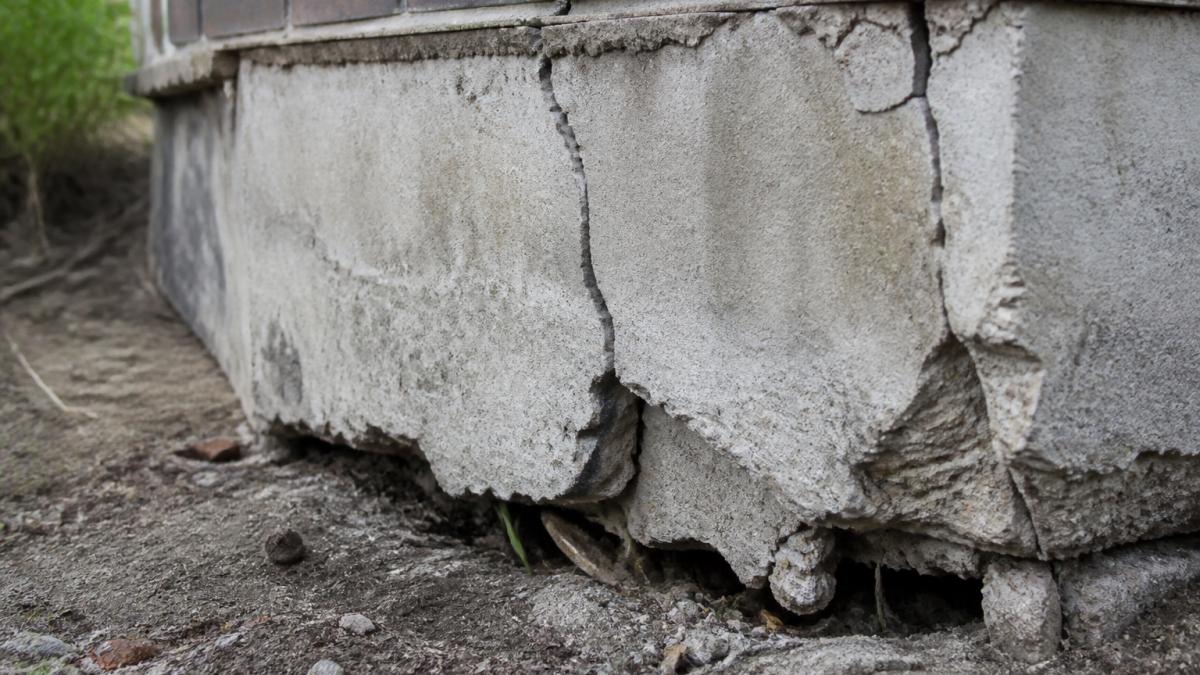
Foundation failure isn’t a small problem. It’s catastrophic. When geotechnical reports lack depth, structures settle unevenly, walls crack, and in severe cases, buildings become unsafe to occupy.
The issue stems from skipped investigation steps. Proper ground investigation requires time to conduct boreholes at multiple depths, analyse soil samples, assess groundwater conditions, and evaluate bearing capacity. Each step reveals critical information. Miss one and your report is incomplete.
Consider soft ground or clay sites. These demand careful assessment of consolidation potential. If you rush testing, you won’t identify how the ground will behave under load over months and years. Differential settlement follows, the building sinks unevenly. Cracks appear. Utilities rupture. Remedial work becomes expensive and disruptive.
Inadequate investigation also misses contamination. Historic industrial sites, former petrol stations, old landfills, these carry environmental hazards. A rushed assessment might miss buried tanks or contaminated soil layers. Construction then disturbs these hazards, creating health and safety risks for workers and future occupants.
Understanding Geotechnical Investigation Timescale and Why Speed Matters
Geotechnical investigation timescale depends on site complexity, not project urgency. A simple greenfield site might need 2-3 weeks. A brownfield with unknown history requires 4-6 weeks minimum. Contaminated or unstable ground demands longer.
The geotechnical investigation timescale includes several phases. Initial desk study takes days. Site reconnaissance follows. Then comes intrusive investigation, boreholes, trial pits, sampling. Laboratory testing of samples takes time; soil behaviour can’t be rushed. Finally, analysis and reporting synthesise findings into actionable recommendations.
Why does speed matter? Because compressed timescales force shortcuts. Fewer boreholes mean less data. Skipped laboratory tests mean missing soil parameters. Rushed analysis leads to conservative assumptions that inflate costs, or worse, optimistic assumptions that create risk.
Speed and safety aren’t opposing forces. Proper planning means efficient execution.
Ground Investigation Methods and the Cost of Skipping Steps
Ground investigation methods are sequential for good reason. Each step builds on the last.
Desk study reviews historical maps, geological surveys, and records. This identifies potential hazards and informs where to investigate further.
Site reconnaissance walks the ground, observes surface conditions, and identifies visible issues like subsidence, unstable slopes, or standing water.
Intrusive investigation includes:
- Boreholes drilled to specified depths with samples taken at intervals
- Trial pits for shallow ground assessment
- In-situ testing (SPT, CPT) to measure soil strength and density
- Groundwater monitoring during and after drilling
Laboratory testing analyses samples for bearing capacity, settlement potential, contamination, and other properties.
Skipping any step costs you later. A project that skipped trial pits missed a shallow contaminated layer. Excavation work then hit it unexpectedly, halting progress and triggering remediation. The delay and cost far exceeded what a proper investigation would have cost.
What Geotechnical Report Contents Reveal About Site Risk
A thorough geotechnical report contents section details ground conditions, hazards, and recommendations. It’s your risk map.
The report should include:
- Borehole logs showing soil and rock layers at depth
- Laboratory test results with specific parameters
- Groundwater assessment and seasonal variations
- Foundation recommendations with bearing capacity figures
- Settlement predictions for proposed structures
- Contamination findings and remediation needs
- Slope stability analysis where relevant
When a report lacks detail, you can’t assess risk properly. Vague descriptions like “mixed soil” tell you nothing. Specific findings, “clay layer at 3m depth with undrained shear strength of 45 kPa”, let engineers design appropriately.
The geotechnical report contents also flag uncertainties. A good report states what’s known, what’s uncertain, and what assumptions underlie recommendations. This transparency lets project teams make informed decisions about risk.
Ground Investigation for Construction: Planning Ahead to Avoid Delays
Ground investigation for construction must start early. Many projects delay this step, assuming it can happen quickly once planning permission arrives. That assumption costs time.
Early investigation reveals ground constraints before design begins. If the site has poor bearing capacity, you might need piles instead of shallow foundations, a major design change. Finding this out during construction is disastrous.
Proper planning means:
- Commissioning investigation 6-8 weeks before construction start
- Using desk study findings to design an efficient investigation programme
- Scheduling boreholes and testing to meet design team timelines
- Allowing time for analysis and report production
- Building contingency for unexpected findings
Projects that rush ground investigation for construction often face design delays, value engineering of safety features, or construction delays when unexpected ground conditions emerge. The time saved upfront disappears, multiplied.
Best Practices to Balance Speed with Safety
Speed and safety coexist when investigation is properly planned and resourced.
Start early. Commission investigation before you need the report. This removes time pressure.
Use experienced practitioners. Geotechnical specialists know what to look for and can design efficient investigation programmes. Inexperienced teams waste time on unnecessary testing or miss critical hazards.
Specify clear objectives. Define what the investigation must answer before it begins. This focuses effort and avoids scope creep.
Invest in quality. Proper equipment, trained operatives, and accredited laboratories cost more but deliver reliable results. False economy on testing quality creates uncertainty that delays decision-making.
Communicate findings promptly. Rapid reporting allows design teams to act quickly on findings.
Plan for contingency. Ground is unpredictable. Budget time for unexpected findings and additional testing if needed.
The risks of rushing geotechnical site assessments are real and measurable. Inadequate investigation leads to design uncertainty, construction delays, safety issues, and cost overruns. Proper investigation takes time but prevents far greater costs downstream.
According to BS 8103-1:2011 Code of Practice for Residential Buildings, ground investigation must establish adequate information about ground conditions before design and construction proceed. This standard exists because rushed assessments have caused structural failures and safety incidents.
Research from Institution of Civil Engineers guidance on ground investigation emphasises that investigation scope should match site complexity and risk, not project timelines. Cutting corners on investigation creates unquantified risk.
Rushing a geotechnical site assessment creates structural, financial, and safety risks that far exceed any time saved. Proper investigation requires time to gather complete ground data, analyse findings, and deliver reliable recommendations. At The Testing Lab, we deliver rapid turnaround times without cutting investigation quality. Our UKAS-accredited team conducts thorough ground investigation for construction projects, identifying site risks early so your design and construction proceed with confidence. Get an instant quote today and plan your investigation properly, it’s the foundation of safe, cost-effective construction.
Frequently Asked Questions
What can happen if a geotechnical site assessment is rushed?
Rushing geotechnical assessments leads to missed ground hazards, inadequate foundation design, and structural failures after construction begins. Poor data results in unexpected soil conditions, settlement, subsidence, or slope instability. Projects face costly remedial work, extended timescales, safety incidents, and potential regulatory breaches. Fines for non-compliance with Building Regulations can reach tens of thousands of pounds, and liability claims for structural damage are far more expensive than proper investigation upfront.
How long does a proper geotechnical investigation timescale typically require?
Timescale depends on site size, complexity, and ground conditions. Simple sites may take 2-4 weeks; complex sites with multiple boreholes, laboratory testing, and specialist analysis require 4-8 weeks or longer. Seasonal factors affect access and testing. Rushing this process by cutting boreholes, skipping laboratory analysis, or compressing reporting introduces critical blind spots. Proper investigation takes the time it needs; compression always sacrifices data quality.
What should a complete geotechnical report contents include to be reliable?
A comprehensive geotechnical report contains site history, borehole logs with soil stratification, laboratory test results (strength, compressibility, permeability), groundwater assessment, foundation recommendations, and risk analysis. Reports must identify hazards such as contamination, unstable strata, or subsidence risk. Rushed reports often omit laboratory testing, shallow investigation, or inadequate hazard analysis. Incomplete reports leave designers guessing, leading to over-design, under-design, or catastrophic failure.
Why is ground investigation for construction projects worth the time investment?
Proper ground investigation for construction prevents expensive surprises during excavation and foundation work. Understanding soil bearing capacity, settlement potential, and groundwater conditions allows accurate foundation design and realistic cost estimates. Early investigation catches contamination, weak strata, or stability issues before construction starts. Projects with thorough investigation experience fewer delays, variation orders, and safety incidents. The cost of investigation is typically 0.5-1% of project value; remedial work from poor investigation can exceed 10% of the budget.
